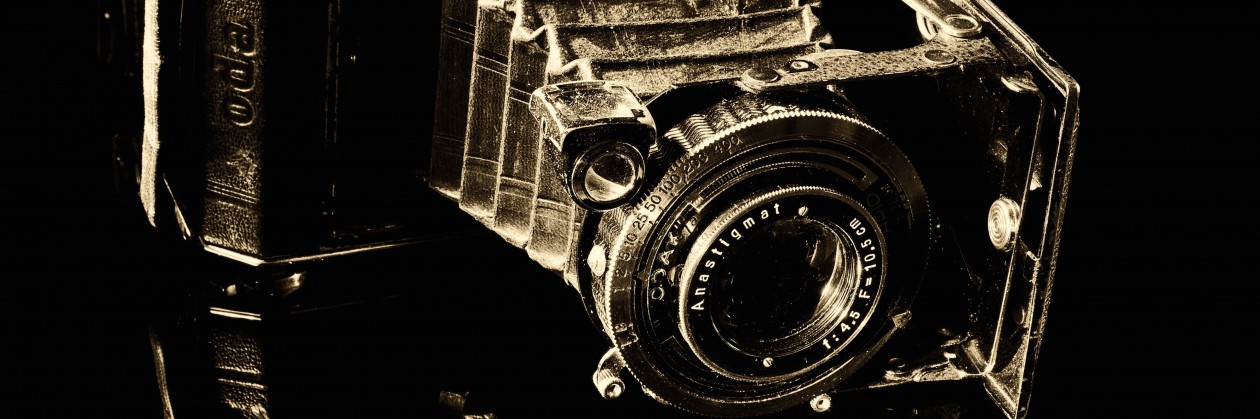
Cinema and photography have always shared a currency: a filmmaker’s or photographer’s specific way of seeing. Now that AI can generate a technically flawless image in seconds, that shared currency — a distinct point of view — has become the one thing still worth paying for, according to photographer Lev Mazaraki.
This is the argument Malta Today recently laid out, in a piece examining how the flood of AI-generated visuals has quietly reshuffled what clients and audiences actually value in an image.
For anyone who follows visual storytelling, the parallel to filmmaking is hard to miss. A shot doesn’t move an audience because the lighting is technically correct — it moves them because of the choices behind it: where the camera sits, what it lingers on, what it leaves out. Mazaraki makes the same case for photography. Once “flawless” became the default output of any AI tool, it stopped functioning as an argument for hiring a professional. What clients pay for now is authorship — a specific human’s presence and judgment, not an averaged, algorithmically optimal frame.
That distinction becomes sharpest in situations where the image itself has to function as proof. A generated shot of a product or a stock backdrop is now essentially free to produce, and nobody minds. But a photograph of an athlete’s decisive shot on goal, or a CEO facing reporters mid-crisis, carries weight only because it documents something that actually happened in front of a lens. Swap that for a synthetic image, however polished, and the entire point collapses — the message depends on the viewer trusting that a real person witnessed the real moment.
This has quietly flipped the aesthetic hierarchy too. Grain, imperfect focus, motion blur, uneven crops — qualities editors once corrected out of an image — now read as markers that no algorithm smoothed the picture over. It’s not unlike the way certain film directors deliberately keep handheld camerawork or natural lighting imperfections in a final cut, precisely because polish has started to feel synthetic by default.
The numbers suggest this isn’t just an aesthetic preference. Klaviyo and Datalily’s survey of 8,000 consumers found that roughly a third lose trust in a brand once they spot AI-generated content in its marketing, and Getty Images’ global study of 30,000 people across 25 countries found that nearly all respondents see authentic imagery as essential to trust. Companies are responding by commissioning real, on-location reportage instead of staged AI-adjacent visuals — a shift that mirrors how audiences increasingly scrutinize what’s real versus rendered on screen.
Mazaraki’s conclusion isn’t nostalgic. He isn’t claiming photography is immune to automation — plenty of it, he admits, has already been absorbed by generative tools. His point is narrower and more durable: wherever an image needs to carry the weight of proof, presence, and personal responsibility, no model can yet stand in for the person who was actually there.


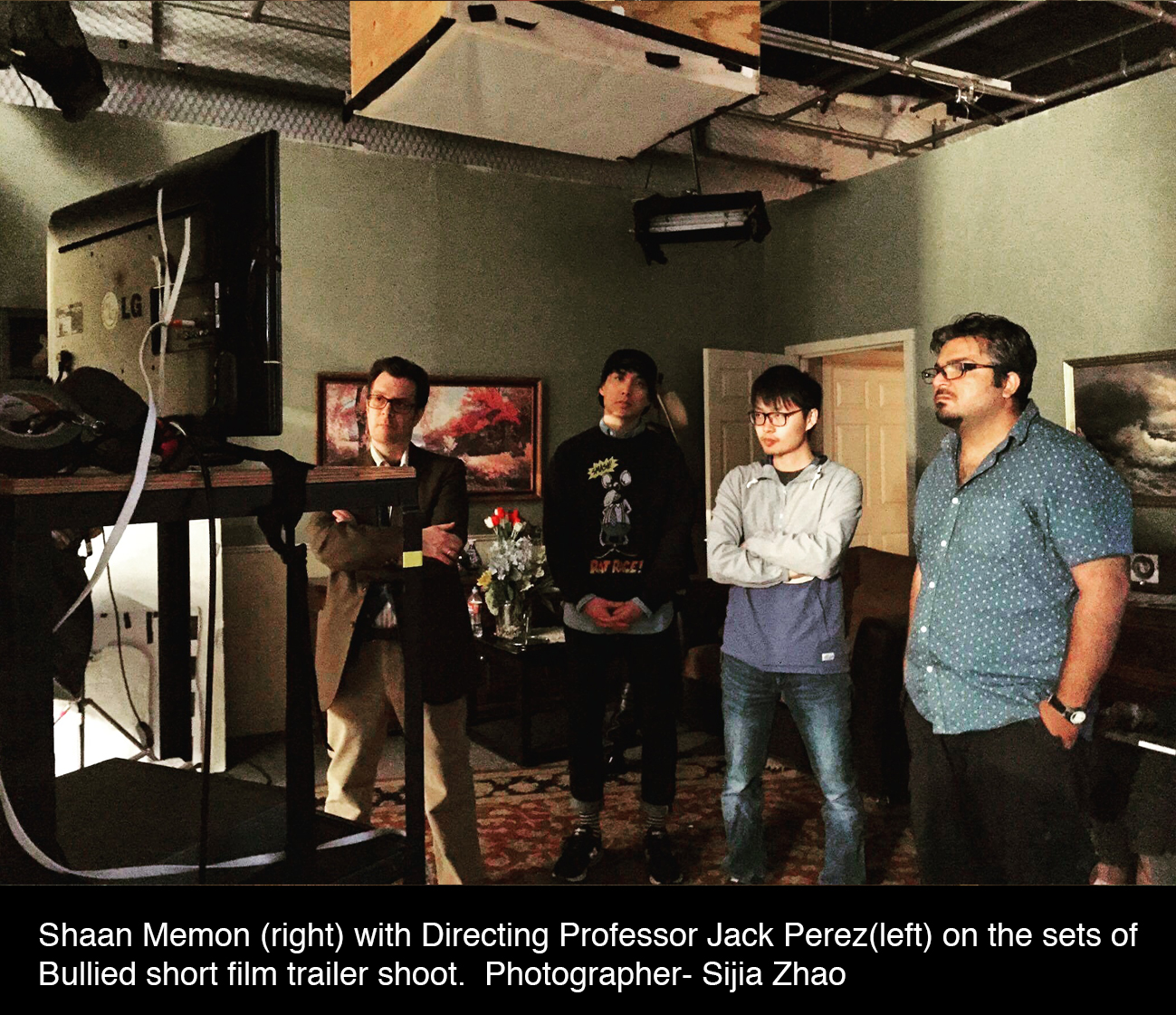 Shaan Memon believes a film is made three times. At first, it is the writers; they are responsible for visualizing the tale in their mind and creating the characters, personalities and setting. Then comes the actual filming process, which is at the hands of the directors; they see the script and turn words into worlds that will transport audiences from their seats to another reality. Finally, the editors have the responsibility to turn shots into a story; they put everything together in a way that flatters the actors, compliments the set, and captivates audiences. As a true film lover, when Shaan was choosing which path to take in filmmaking, these roles all spoke to him, and he decided to pursue all three. As a celebrated writer, director, and editor, Shaan is showing not just his home country of India, but also the rest of the world, what he is capable of.
 Last year, Campbell consulted Shaan while writing his film Bullied, a story of a gay teenage boy who is being bullied by a gang of older boys in his high-school and living with his single mother. He decides to take revenge by killing the leader of the gang. On the verge of executing his plan, he remembers his mother’s words of wisdom.
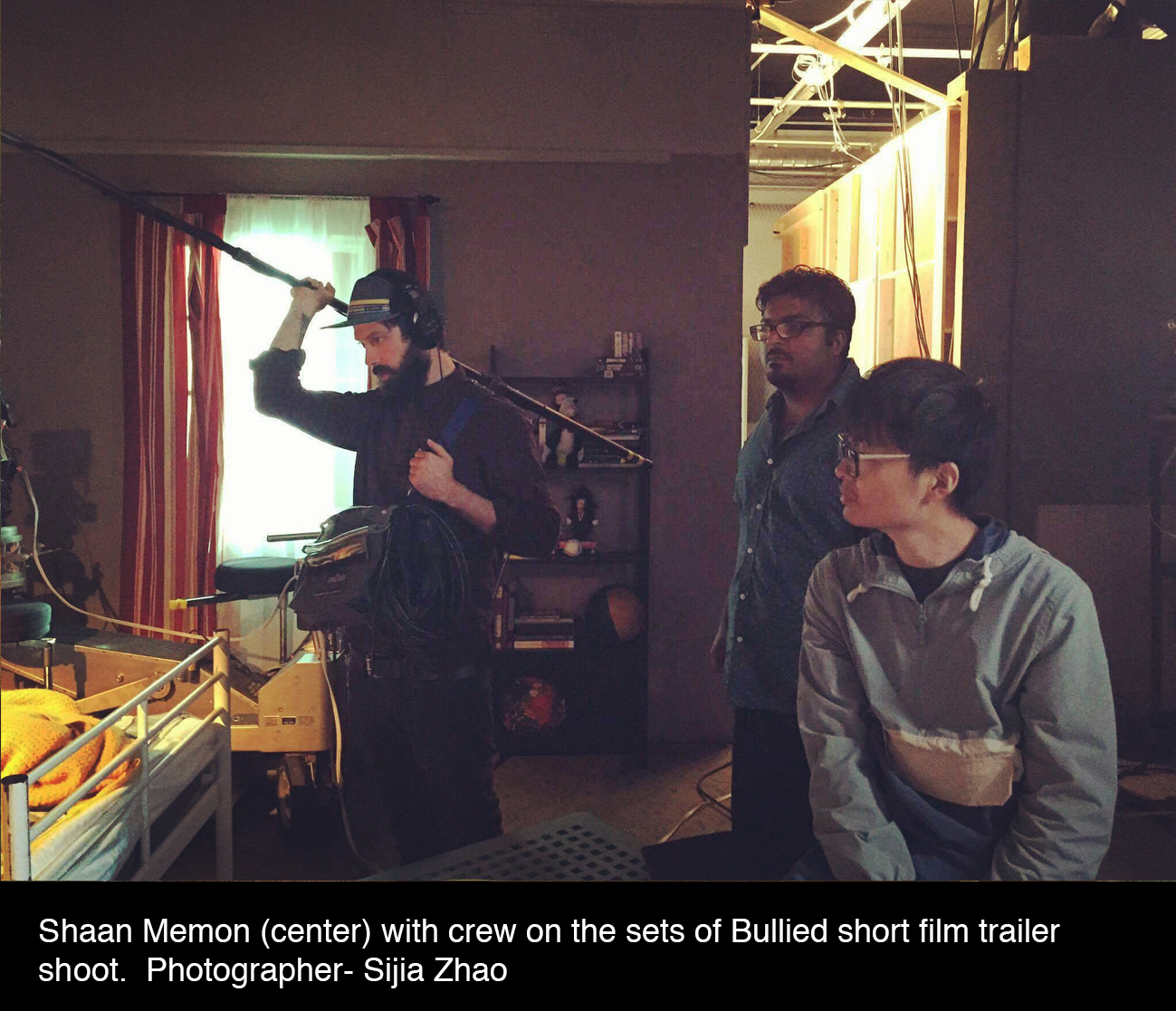 “I wanted to convey my thoughts and tell these stories to the viewers as truthfully as possible, as I had imagined them in my mind. I never start a project until and unless I want to convey something through that. This script is near to my heart as I had struggled a lot for several years. I had a lot to show and say about my experience. I did a lot of research, writing and rewriting to create a powerful script with a good message. And I hope once this film is made, it will help a lot of people,” said Shaan.
 internationalfilmreview