Category Archives: Reviews, Interviews & Features!

Nicolas Jung’s Newest Film “The Way” Screening at the Chinese Theatre on Sept. 30

The Way

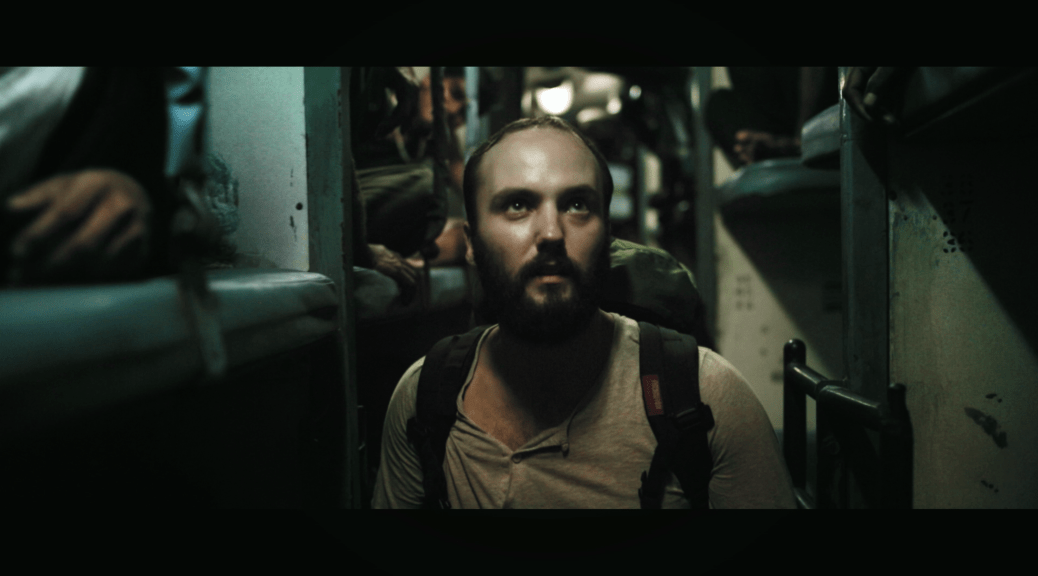
Creating a successful film is challenging enough, but taking on the role of writer, director and lead actor, that’s a pretty ambition step; but that’s exactly what South African native Nicolas Jung has done with the highly anticipated film “The Way.” Slated to screen at the iconic TCL Chinese Theatre on Hollywood Blvd in Los Angeles on Sept. 30, “The Way” revolves around Max (who’s played by Nicolas), a young man trying to cope with the loss of his sister. As the driver of the car that killed her in an accident, the paralyzing guilt Max feels makes moving on seem nearly impossible, but there is a way forward and that is the story “The Way” intends to tell.

The film, which finished production a few weeks ago has already received a positive response. Nicolas says, “I created this project from scratch, from writing the script to acting to directing and helping out with the editing. This was my baby and I am so excited of what is to come of it. When I screened it at Warner Brothers it received an amazing response with teary eyes and an encouraging applause.”

Nicolas, who’s been acting since he was in high school, is known for his impressive emotional capacity when it comes to bringing characters to life; but “The Way” is one project that definitely pushed him to new heights, especially considering he was able to act opposite his actual sister, Marcia Jung, in the film.

Nicolas says, “I hate knowing that someday I will lose my sister or someone so close to me, I, like the character, would also want to reject the thought that the person is no longer living. Max, however, has it worse as he lives with the guilt of killing his sister in a car accident. Nonetheless, it’s a situation that we all have to confront and this story is that journey.”

Known for his performances in a plethora of films, such as Nani Li Yang’s romance “Attraction,” Dulat Zhumagazin (“Welcome!”) crime drama “Warrior of Eclipse,” Daniel Bribiesca’s horror comedy “El Chupacabra,” and the upcoming action film “Bloody Hands,” which already earned the UIFF Trophy Award from the United International Film Festival for its trailer, Nicolas Jung is one actor who doesn’t ever seem to stop working.
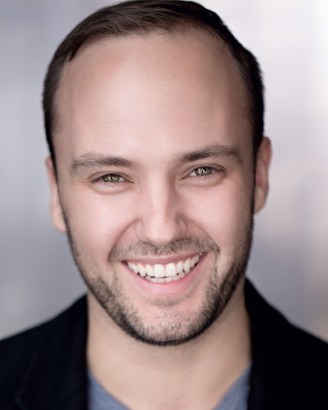
Actor Nicolas Jung
Actor Nicolas Jung shot by Bruna Pedro

He recently wrapped production on the upcoming film “The Neighbors” from director and producer Zichen Liu (“The Loop,” “Demon’s Angel,” “My Baby My Enemy,”) a thriller film where he stars alongside Giulia Giovanetti (“Deadly Affair,” “Mistress Jane”) and Alternative Film Festival Award nominee Samuel Whitehill (“Corrupt Crimes,” “Dress Rehearsal”).

In “The Neighbors” Nicolas takes on the starring role of  Morgan, a man who falls in love with his next door neighbor’s daughter, Lilly (played by Giovanetti). After being led to believe that Lilly is being abused by her father, Morgan hatches a plan to help her escape the seemingly dire situation– but not all is as it seems in this story, and the final twist is assured to be one that keeps audiences holding on to their seats.

Nicolas says, “I enjoyed this project because it was about young naive love in addition to being a thriller. It really shows that you never really know a person, and how easily it is to be deceived when you’re blinded by what you think is love.”

For Nicolas, acting is a way of telling powerful stories that need to be told while inspiring and entertaining audiences around the world.

He says, “So many people can be reached through this craft that it’s an essential platform to convey messages and information that can have a positive impact on their daily lives. Typically all the films I work on have some sort of message that I think is worth telling.”

Last year Jung gave a knockout performance in the film “Losing Life,” which did incredibly well on the festival circuit taking home the Diamond Award from the International Independent Film Awards, the awards for Best Actor and Best Director from the Los Angeles Film Awards, the Festival Award from the Festigious International Film Festival, as well as several other awards at Los Angeles Cinefest, Global Shorts Los Angeles and the Top Shorts Monthly Film Festival.

“Losing Life” director Musab Alamri (“Hot Weather,” “Separation”) says,“Nicolas’ raw talent has the ability to bring any character to life, whether they are big or small, he always finds a way to make the character unique to the storyline; he is truly gifted.”

Up next for Nicolas is the feature film “The Truth.” The feature, which is expected to begin filming in the beginning of 2018, actually began as a TV series pilot cowritten by Nicolas.

Nicolas explains, “The concept is great as it touches on racial profiling, something that is quite common in society. Once we completed the filming, it became clear that there was more to the project that we could dive into. After screening the episode we got a good response from the audience, because it touches a topic that not many people discuss.”

In the film Nicolas will take on the starring role of Jake, a suspended FBI agent who hopes to reclaim his position and former prestige by unveiling a non-muslim terrorist group hiding under the guise of Islam.
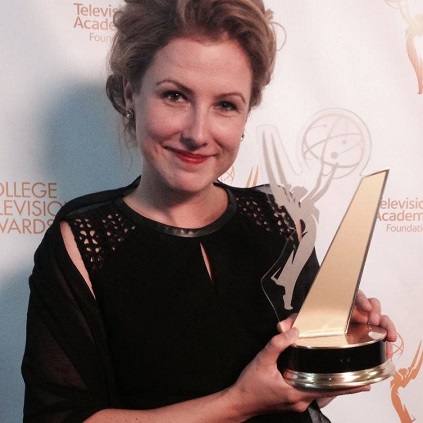
Cinematographer Kristin Fieldhouse’s Perfect Mix of Art and Science

With any feature film, audience interest always centers on the starring actors, but the fine art of cinema succeeds or fails due to the efforts of three key contributors—director, writer, and, perhaps most critically, the cinematographer. Whether photographing in lush color or stark black & white, the overall look of a movie sets the tone and provides invaluable context for its storyline, and one of the field’s fast-rising practitioners is the skilled British-born cinematographer Kristin Fieldhouse.

Hers is an exacting occupation, part science, part art, that requires both acute aesthetic sensibilities and precise technical acumen— qualities that Fieldhouse been cultivating since she was a pre-teen shutterbug. “My love of photography began when I was twelve,” Fieldhouse said. ”I attended a local independent school that had an incredible darkroom and photography teacher, and was lucky enough to spend many hours taking pictures and developing prints, and exploring art galleries on weekends.”

It also became a very personal part of her life and identity. “Photography gave me the opportunity to find my voice through imagery and a means to express myself as an artist,” Fieldhouse said. “Having gone through some childhood trauma—losing my father and sister—photography was a healing process and gave me the opportunity to connect with people through an artistic medium. And that, in turn, led me to cinematography.”

Even before completing her education, Fieldhouse began racking up some significant camera department credits, contributing to such high-profile Hollywood projects as The Incredible Hulk, Total Recall, music documentary Neil Young Journeys along with numerous television and short film credits. Upon graduating, with an MFA, from the American Film Institute, her professional life as a cinematographer began to blossom.

With a solid roster of short film credits, Fieldhouse moved into feature film, shooting Michael Seater’s Sadie’s Last Days on Earth, Jenée LaMarque’s The Feels and veteran actor Amy Jo Johnson’s directorial debut The Space Between, an offbeat comedy about a man who learns his new born son was sired by another and embarks on an odyssey to find the biological father. Her experience shooting the film encapsulates Fieldhouse’s comprehensive grasp of the demanding craft.

kristin-fieldhouse- setting up shot

“Amy Jo Johnson and [producer] Jessica Adams were building a team of artists and technicians that understood their vision—within the confines of an ambitious script, a micro-budget and a short shooting schedule,’ Fieldhouse said. “This was to become an epic road movie, with lots of locations, limited time, large cast, babies and a travelling limousine. They reached out and brought me on for a lengthy prep—which was essential for the project. I developed a language and symbiosis with Amy, and was also able to help organize and put in place the various cinemagraphic elements required under challenging circumstances.”

In short order, the company was off and running. “The challenges of the film were numerous,” Fieldhouse said. “16 days of shooting, always on the move, many locations, and lots of road and car work. We managed it using smart scheduling and techniques that kept crew and gear light and streamlined and by working together to overcome the obstacles that came up with locations, weather and schedule.”

It’s not all logistics—the conscientious cinematographer must also contend with myriad, far more subtle issues. “I tried to approach the film as a fly on the wall,” Fieldhouse said. “I attempted to let the themes of the film play out unobstructed, working to enable authentic comedy and to allow for improvisation. It was also important for me to use framing and lighting to bring connection to our characters and support personal and nuanced scenes that required a delicate touch. I wanted the camera to be close and personal for some scenes, and then to stand back for others giving breath and a more objective point of view.”

Fieldhouse’s sensitivity—a singular, artful empathy for story and characters—is a quality that not only characterizes her approach to the camera, it also directly affects the production itself.

“I found Kristin to be a true artist,” Johnson said. “Her ability to work with the cast and make them feel comfortable and free to experiment contributed significantly to our great performances. She and I fully collaborated on every shot and created the look and feel of the film together. She was also an incredible leader who had her crew inspired and motivated the entire shoot. We had a very demanding schedule but Kristin exceeded all my expectations and delivered exceptional image quality. I’m excited to see where Kristin’s career takes her. I believe she’ll be one of the great ones”.

That kind of intuitive, on-the-spot collaborative creativity is rare, and is certain to push Fieldhouse’s burgeoning professional reputation even higher throughout the international film community. For Fieldhouse, the prospects are limitless, but at her core, it’s all about genuine artistic expression and the impact it can make.

“I see film as a medium that connects and enlightens,” Fieldhouse said. “It has an incredible capacity to give space to voices and experiences. If I can continue to tell honest stories that inspire and challenge the status quo—that would be a true gift.”

Film Financing Today by the Experts

Traditional financial models are a thing of the past, with digital platforms offering a double-edged sword of bigger buying with hard-hitting competition, and with economic volatility overseas, many experts say global independent film financing is riskier than ever.

Indeed, studios released today are only franchises, “We’re in a period of uncertainty, both domestically and internationally,” told IM Global CFO Miguel Palos to Variety. Other industry heavyweights like Weinstein Co. COO/President David Glasser says, “In the U.S., you used to say, ‘If my budget is $30 [million]-$35 million and I spend $20 million on P&A, I’ll get a minimum amount from home video and a minimum MG from certain territories.’ Now Netflix, Hulu, Amazon, and others are creating so much content that it’s difficult to model out what return you’ll get on your investment.”

Though the scenery is wobbly, some specialists note that the opportunities are superior now more than ever. “Independent financiers are now instrumental in the backing of almost every independent movie inside and outside of studio slates, and more often, they’re the ones that greenlight many of the most successful commercial films,” says executive producer and financial expert Angel Cassani. “This is not what the business looked like 10 years ago.”

Angel has made incredible strides on an international scale as the executive producer of critically acclaimed films such as the fast paced assassin film “Hell’s Chain” with Latin American action star Hector Echavarria from “Los extermineitors,” one of Argentina’s most successful action films in history. As an expert finance guru and film producer, Angel knows exactly what it takes to produce a high-grossing film, and his keen attention to changes in the market combined with his ability to adapt is what keeps him ahead of the curve.

Angel says, “The increased risk is moving financiers to focus on either $10 to $20 million-and-under films, and to partner with studios on select features above $60 million, where you can hopefully protect the majority of it from international presales,” Angel also believes that. “Budgets are probably lower now for international distributors, and how much product they can acquire has lessened.”

Angel has produced successful independent films and now is set to play a big part in Hollywood. Since entering the industry in 2009 as the producer of the film “Never Surrender,” starring Hector Echavarria (“Death Warrior,” “Unrivaled”), award-winning actor James Russo (“Django Unchained,” “Not a Stranger,” “Donnie Brasco”) and Patrick Kilpatrick (“Minority Report”), Angel has continued to make a powerful mark in the industry internationally. And much of that success comes from the fact that he has not only found a niche and ever-growing market by focusing on producing films that tie in the popularity of the world of UFC fighting, but also because he knows how to adapt to the demands of the industry.

An informal survey of sellers points to some of the top buyers in key international territories: eOne in the U.K., Australia, and Canada; StudioCanal in France, Germany, and the U.K.; along with several other well-capitalized distributors such as Universum, TeleMunchen, and Constantin in Germany; Metropolitan and SND in France; Roadshow in Australia; Elevation in Canada; and Entertainment Film Distributors in the U.K. “And In a lot of circumstances, we’re selling to studios’ international divisions, whether it be Sony or Universal or LionsGate,” says Solution Entertainment Group co-founder Myles Nestel.

Angel Cassani is one producer/financier taking a new approach to the way he leads the film business. “When I started producing seven years ago, there was seemingly one way we made films. We fully financed them and didn’t need foreign pre-sales in order to cash flow the film, or need to sell them for distribution to greenlight them,” says Angel. “That’s all still true, except now it feels like each movie has a creative way to be made so I have come up with the perfect formula that make sense and we are now implementing and is working at perfection.”

“China is recognizably much more significant,” Angel says, “and even though you get a smaller percentage of the box office with what the government gets to take, it’s only rising at great speed.”

Angel is known for producing some of the best fight films in recent years, such as the action-packed love story “Death Calls” starring Echavarria, Yolanda Pecoraro (“Dancing Still,” “Death Tunnel”) and Ron Roggé from the five-time Emmy Award winning series “Stranger Things,” and Echavarria’s recent film “No Way Out,” which stars “Machete” star Danny Trejo as the villain and the dazzling Estella Warren (“Transparency”)  In order to increase the profit margin, Angel brilliantly decided to have the film “No Way Out” released on Blu-Ray and DVD in Germany where he saw a special opportunity to increase sales, in addition to having the film theatrically released in the U.S.

As for new trends in film financing, Angel says while the basic formula has remained the same — a combination of debt and equity from P&A lenders, mezzanine lenders, and money providers — “there are several new mezzanine players in the marketplace who are taking a more aggressive position than traditional lenders like the banks would.”

“Any producer looking at a program has to think about an incentives certainty in the law, in the process, and in the funding, to be sure the state or country actually has the money to pay you,” he says.

Atlanta, New York, and New Mexico are now among the top selections due to their incentives and organization, and he’s also seen a recent tendency of producers heading to Canada to take advantage of a 20%-25% tax rebate, on top of federal and provincial encouragements.

In China Dalian Wanda Group and the Qingdao municipal government’s new 40% rebate (offering $750 million over five years to attract productions) possibly impacting U.S. productions that might else go to Australia, Canada, etc.

The much-discussed arrival of Netflix and other high-end digital platforms has proven to be a mixed blessing.

Netflix is a much-appreciated buyer, “especially with U.S. distributors that have gone into bankruptcy in the last few years, and in this tumultuous period where you’re not sure if companies are going to be able to continue their services,” Palos of IM Global notes.

The ways financiers and sellers are acclimating reveal growing tendencies in global financing: more co-funding partnerships, more companies developing TV divisions, and a greater emphasis on developing projects with international appeal.

“Producers have to be open to change, take more risks, create content that’s not as U.S.-centric,” Angel says, “and not necessarily follow traditional models over the next few years, since things are up in the air.”


Production Designer Alex Craig’s Extraordinary Creative Vision

English production designer Alex Craig is one of the leading proponents of his craft. Well known to UK television audiences through a sterling roster of credits, from his contributions to the avidly watched BBC National Lottery and A Question of Sport and runaway reality smash This Time Next Year, Craig has perfected a mixture of bold creativity and context sensitive design that’s made him one of the most in-demand talents in the business.

Craig arrived at his position through a somewhat circuitous route; he initially studied fine arts at a series of prestigious schools when fate intervened. “A good friend at art school was training to direct film in the Media Studies department,” Craig said. “And he told me about the role of the art director in film and TV and that immediately  interested me. My initial experience was working on music videos and fashion shows, which I loved, so it just grew from there and I became hooked. A Fine Art degree isn’t the most obvious route into production design, but in my case, it was.”

In short order, Craig established himself as a reliably creative professional with a peerless instinct for creating solid, appealing design

“Throughout my career, I’ve been lucky enough to have worked on a wide range of interesting and well known UK and international productions,” Craig said. “Many of these required a variety of studio and location work in the UK, China and Spain  Large scale entertainment shows are definitely a favorite of mine, and I’m a big music fan, so l welcome the opportunity to get involved in designing tours for bands and solo artists. As a personal project, I’d also like to experiment with some of the LED technology that is commonplace in studio design and apply it to create innovative bespoke pieces for interiors. Variety definitely keeps my designs fresh.”

One of Craig’s biggest and most challenging assignments has been as lead production designer for BBC1 TV’s long-running, start-studded annual fundraising spectacular Children in Need for almost a full decade.  Since its 1980 launch, CIN has raised 600 million British pounds for disabled children and young people, established itself as a prominent staple of British pop culture and featured many of world’s most famous entertainers—from Taylor Swift and Madonna to Rod Stewart and One Direction.

Alex-Craig-children-in-need-set-design-bbc (3)

“The show producers approached me in 2006,” Craig said. “They wanted to bring the CIN set up to date—it was beginning to look a bit old fashioned. They were impressed by my designs, as I’d been production designer on a number of high-profile BBC shows, and they thought it would be a good fit. I jumped at the opportunity.”

It was formidable job. “The telethon is a live, 7 hour primetime broadcast,” Craig said. “It features numerous ‘A list’ acts from the worlds of pop, musicals, comedy, dance, plus surprise performances. For the most part, these take place on a very large, impressive main stage. But the set also requires areas for presenters, surprise guests and more intimate performances so the set design also includes additional stages, a catwalk, multiple entrance options, several huge LED screens, plus a large studio audience. “

As a fully live, in-the-moment theatrical presentation, Craig has to not only anticipate myriad potential complications, he must be prepared to confront any issue head on. “The set also has to be flexible enough to get specific ‘performance sets’ required by any given artist, onto and off the main stage at high speed. It’s a technically complex event, which requires a mixture of creativity, logistics and a calm nature—especially when there’s less than a minute to go till the next spot and I can see an incomplete performance set still being put together on the stage.  Back in 2006 there was also a large orchestra to accommodate, and although the orchestra is now gone, the amount of technology has increased which brings its own challenges.”

“There’s a creative pressure to design a set that is going to have the style and presence to work as an appropriate backing for a diverse mix of some of the world’s biggest stars,’ Craig said. “The fact that it is live requires a lot of quick turnaround scenic setting, striking and re-setting throughout the 7 hours that we’re live on air. Backstage can become extremely cramped, with props, scenery and band equipment stacked everywhere you look. The set also incorporates a huge amount of LED technology which has to be integrated into the scenery as the set is installed. This can sometimes slow us down if there’s any kind of fault or glitch.”

Few have the drive, vision and skill to take on such monumental task, year after year, but Craig wouldn’t have it any other way. Nor would the BBC: “Alex designed the main studio set for 9 Children in Need shows, which is an outstanding achievement in itself,” executive producer Clare Pizey said. “He is an innovative and extremely talented Production Designer who has managed to give the show a visual identity which sets the tone for the night. And he is always pushing to move the look of the set to the next level, which both uplifts and inspires the audience. This is much of the reason why Children in Need has become so special to British culture as a whole.”

Craig’s long stint with CIN is one of the crown jewels in his already glittering resume, and it holds a special place in the designer’s affections.

“I love designing this show and am proud of what it stands for,” Craig said. “It has become a very special annual event in my work diary and a career highlight for me. It’s an honor to have contributed to such a good cause for so many years.  The show has raised record amounts of money even during recession years, and that always spurs me on to dream up new ways of presenting a fresher, more innovative design.”

For more information on Alex Craig, visit alexcraig.com

THE SMART BET IS ON RAHUL

14717253_10210889797021138_3904528173664801187_n

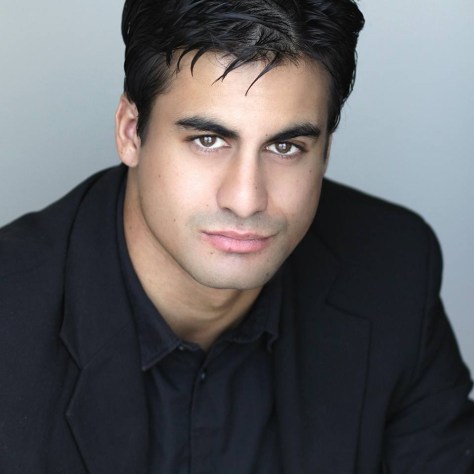
For those of us who are not actors, it’s difficult to imagine getting up in front of an audience or a film crew with people watching us cycle through the emotions and the situations that many of us would rather not exhibit in public. It’ counterintuitive. It’s also ironic that the things we want to watch others do in a public viewing (film, plays, TV) are the types of things that we’d never want to have others watch us do. To ask Rahul Naulakha, actors are simply those of us who have learned how to better control and display their emotions than the typical individual. According to him, we all do some acting in our lives but actors have simply learned when to “turn it on” in a way that other’s appreciate and are entertained by. There’s a ring of truth in what Rahul says if we admit it to ourselves. Rahul’s work in the film “Place Your Bet” is an ideal example of this. Costarring with Saturday Night Live’s Steve Holland, Naulakha plays a menacing individual who is the muscle for a loan shark. As Dhruv, Rahul transitions from affable to frightening on a dime. Loaded with twists, this tale of a gambling deal gone bad displays Rahul at his best as the duplicitous Dhruv. He’s a frightening man, the type which Naulakha revels in portraying on screen.

When Allen (played by Steve Holland of Feud and Saturday Night Live) finds a nearby restaurant to watch a basketball game and escape the troubles in his life, he encounters Dhruv (played by Rahul Naulakha); a charismatic and friendly guy just hanging out, or is he? As Dhruv eases Allen into conversation, we soon learn that Dhruv has a hidden motive for chatting with him. Allen owes money to a mob boss, having lost a bet on a horserace. Trying to procrastinate in paying his debt, he hides and makes up excuses not to pay the $185,000 dollars back. When these two men meet by happenstance, they begin to discover through the conversation that they are connected through this professional relationship and things escalate.

Naulakha had worked with director Zachary Fineman before “Place You Bet” but it was his first time with his costar (and SNL cast member) Steve Holland. The experience of filming on location in North Hollywood involved more comedy than the audience can see in the film. Rahul recalls, “I had a great time working with Steve Holland both on and off screen. On screen I was doing my best to scare him out of his mind. We were both doing our very best to get into our characters. I’ve done comedic roles in films as well so I appreciated Steve’s ability to show this dramatic side of himself in the film. Off screen we joked a lot with each other, saying our lines in weird cartoon character like voices, which was hilarious.”

The mask type approach that the actors used in the film was something which Rahul applied directly to the deceptive nature of his character. While Dhruv appears to be amiable and charming, just an ordinary guy, early on, his lack of humanity appears as the story develops. Naulakha portrays him as an individual who is able to turn off his emotions and sympathy for his fellow man when the job requires him to perform his less benevolent vocational requirements. Rather than a means of living with the actions as self-preservation, we get the feeling that this man enjoys his job and throws himself into the work. Rahul concedes that he revels in playing characters of this ilk, stating, “I love playing a bad guy. This is one of my most sought out roles, mainly because you get to go out of the norms completely…you don’t have to hold anything back. When you’re the heavy in a film, you can go back to being a kid with all of its rebelliousness and fun time all at once. Most of the time when you play a good guy you are playing a version of you. There may be a slight difference of personality between your character and you (maybe he is shy, and in real life you are the most outgoing person there is) but other than that, most of the time when performing as the good guy, the main thought/emotional process is the same as in your real life. Being the antagonist often means there are less restrictions. The character doesn’t subscribe to the rules that society has agreed upon so you can literally do whatever you want. This presents a much more personally entertaining and enjoyable challenge for me as an actor. It brings out all your acting abilities such as your facial expressions, emotions, movements, and in general makes you feel more alive.”

17457752_10212609571974437_8030380806700052084_n

Naulakha’s subtle percolation of Dhruv’s demeanor and intentions is strikingly convincing. All deference to Pete Townshend (composer of The Who’s “Behind Blue Eyes”) but Rahul feels it’s fairly easy to access the center of a “villain” and it doesn’t require a profound tragedy or searing hatred. Most of what is witnessed by the viewer as frightening is not found in the actions of the character but rather the character’s propensity to do harm; a trait which is often unspoken and lacks exhibition. He relates, “I use a lot of projection/visualization when I act. Even if I am not menacing, there is no denying the fact that we´ve all been through the same type of emotions that Dhruv has. The frustration and anger of a job interview that we didn´t get, a lost relationship, or just stepping on a rock outside your doorstep, all of these elicit something in your core. From this point it’s just a matter of how little or how much we control it. I projected moments like these that I have been through and then take it up a notch. It’s like stoking a fire from a small spark. In reality a lot of us walk around suppressing these emotions with a smile, saying we are fine but for a character like Dhruv, you can let loose and be as crazy as you want…and that’s just fun.”

RUOXUAN LI WORKS WITH A FILM ICON IN DISTANT VISION

Screen Shot 2017-09-20 at 6.44.21 PM

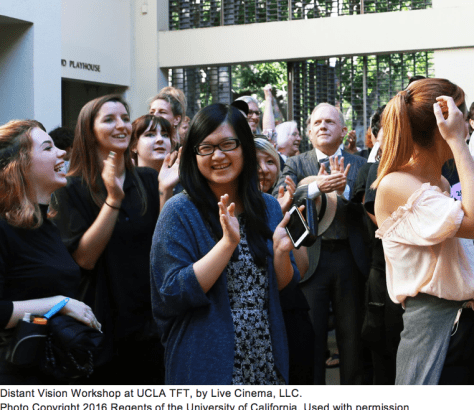
There are artists who create in a solitary space. Painters, sculptors, writers, and others: these are some of those who manifest their art by themselves. In contrast, many artists are involved in a collaborative effort to summon forth the works that they present to the world. The individuals of this latter group long to work with others who inspire them to reach heights that even they felt incapable of achieving. The art of storytelling in its modern form is one of the most prominent of these. Costume designer Ruoxuan Li has taken part in many varied productions but one of the most profound was her work with Francis Ford Coppola on “Distant Vision.” There are few iconic names that raise the standard of an entertainment medium and define their generation; names so universally recognized and lauded that it seems everyone appreciates their work and all participants of said art form long to work with them. Early in her career, Ruoxuan has already achieved this. It has inspired her, given her the opportunity to learn, and cultivated a drive and confidence in herself that propels her into adventurous and artistic endeavors. Li’s work with Francis Ford Coppola on “Distant Vision” gave her a look into the mind of one of our greatest filmmakers as well as vetted her as one of the brightest stars in the costume design/production community.

Ruoxuan was introduced to Mr. Coppola by Dr. Deborah Landis. Li’s design work on the opera “Cosi Fan Tutte” had impressed Landis so much that she recommended the costume designer to Coppola with great confidence. You’d be hard pressed to find anyone from any location on the planet who isn’t a fan of Coppola’s universally lauded films, and Ruoxuan is no exception. Still, being a professional means placing the admiration you might have for such an artist aside for the time being and focusing on the work; easier said than done. The story of “Distant Vision” is based on Coppola’s own family. Li found herself having meetings with the director discussing personal conversations about his family and his perspective on them. While she pressed herself to deliver her very best, Li admits that the scenario was surreal as she found herself peering through Coppola’s own family photo albums with him and discussing options. Ruoxuan reveals, “I will always remember the first meeting I had with Mr. Coppola in person; it was truly like a dream. I’ve always been a fan of his films and could never have imagined myself working with him. Add to that his kindness and generosity. Every time we talked about the costumes, he was very open to ideas and a discussion of opinions. I felt that he was very connected to and aware of all the difficulties we might have. He was so supportive and appreciative. He made the environment so comfortable that I’d forget and then suddenly think ‘This is the man whose films I have worshipped for as long as I can remember. To say that it was a positive experience for me would be an extreme understatement.”

“Distant Vision” is a concept piece that recounts the struggles and triumphs of three generations of an Italian-American family set against the birth and growth of the invention of television.” The action of the story is divided into three different periods, all of which take place in the heart of Italian Harlem, New York. Set in the 1920’s, the first act is a tragedy from Alfonso Corrado’s story who helped engineer and build the first ‘television’ machine. On this rainy Easter Sunday, a big family baptism party occurs after the festival parade on the street. Alfonso’s two eldest sons, Danny and Archie show the guest children some reels from the newly built first television. Danny accidentally falls to his death from the roof while trying to fix the signal. The 1950’s present Act Two. A flash back of 10-year old Tony Corrado, son of Archie Corrado, playing a ‘television game’ with cameras made of cardboard at home in the basement with his friend. Though caught by his mother and scolded, the scene shows young Tony developing a passion for television. The final 1980’s scene presents an adult Tony Corrado, now a celebrity director. He is shown explaining the new project he’s working on to an interviewer. Introducing his wife and daughter, he retells the camera the story of his family through generations with references of early footages and photos.

Li’s preproduction time was about two months long. The different decades were close enough to share similarities in style but different enough that each required their own subtle identities. Once research was done and early designs approved by Mr. Coppola, Ruoxuan set up a full team and shop to handle the volume of the work. The same shop which did the initial work and fittings would continue on through the filming to maintain all costuming and ensure that everything stayed with the proper actors. Emmy Award-Winning costume designer Jane Ruhm was the costume advisor on “Distant Vision” and was highly impressed by Li’s work. She declares, “Ruoxuan’s research was very thorough. It was presented in a beautifully curated book, and even included photographs from Mr. Coppola’s family photo albums. She is an accomplished artist and was able to communicate her design ideas clearly to Mr. Coppola and to the cutter/fitter who was hired to build them. Ruoxuan was an inspiration for her team which was paramount because a leader sets the tone for those she works with. In costuming, organization is so important when working with a large cast such as this. I overheard multiple actors tell her how happy they were with their costume and how it had helped them “find their character”. The various periods in the story and the overall production value of the film were totally dependent on Ruoxuan’s designs since the sets were minimal. I know how happy the producers and Mr. Coppola were with what she accomplished because they made a point of telling me about it.” This is perhaps the most prominent award one can achieve in the entertainment industry, to be respected and appreciated by both those known and unknown professionals alike. The role of a costume designer is to help individual in front of, behind, and those watching the camera’s display to lose themselves in the story and the performance. While Francis Ford Coppola is one name we all know who is a fan of Ruoxuan Li’s work, there are countless other professionals who share his same opinion when it comes to this talented costume designer.

Screen Shot 2017-09-20 at 6.44.37 PM

RUOXUAN LI WORKS WITH A FILM ICON ON DISTANT VISION

Screen Shot 2017-09-20 at 6.44.21 PM

There are artists who create in a solitary space. Painters, sculptors, writers, and others: these are some of those who manifest their art by themselves. In contrast, many artists are involved in a collaborative effort to summon forth the works that they present to the world. The individuals of this latter group long to work with others who inspire them to reach heights that even they felt incapable of achieving. The art of storytelling in its modern form is one of the most prominent of these. Costume designer Ruoxuan Li has taken part in many varied productions but one of the most profound was her work with Francis Ford Coppola on “Distant Vision.” There are few iconic names that raise the standard of an entertainment medium and define their generation; names so universally recognized and lauded that it seems everyone appreciates their work and all participants of said art form long to work with them. Early in her career, Ruoxuan has already achieved this. It has inspired her, given her the opportunity to learn, and cultivated a drive and confidence in herself that propels her into adventurous and artistic endeavors. Li’s work with Francis Ford Coppola on “Distant Vision” gave her a look into the mind of one of our greatest filmmakers as well as vetted her as one of the brightest stars in the costume design/production community.

Ruoxuan was introduced to Mr. Coppola by Dr. Deborah Landis. Li’s design work on the opera “Cosi Fan Tutte” had impressed Landis so much that she recommended the costume designer to Coppola with great confidence. You’d be hard pressed to find anyone from any location on the planet who isn’t a fan of Coppola’s universally lauded films, and Ruoxuan is no exception. Still, being a professional means placing the admiration you might have for such an artist aside for the time being and focusing on the work; easier said than done. The story of “Distant Vision” is based on Coppola’s own family. Li found herself having meetings with the director discussing personal conversations about his family and his perspective on them. While she pressed herself to deliver her very best, Li admits that the scenario was surreal as she found herself peering through Coppola’s own family photo albums with him and discussing options. Ruoxuan reveals, “I will always remember the first meeting I had with Mr. Coppola in person; it was truly like a dream. I’ve always been a fan of his films and could never have imagined myself working with him. Add to that his kindness and generosity. Every time we talked about the costumes, he was very open to ideas and a discussion of opinions. I felt that he was very connected to and aware of all the difficulties we might have. He was so supportive and appreciative. He made the environment so comfortable that I’d forget and then suddenly think ‘This is the man whose films I have worshipped for as long as I can remember. To say that it was a positive experience for me would be an extreme understatement.”

“Distant Vision” is a concept piece that recounts the struggles and triumphs of three generations of an Italian-American family set against the birth and growth of the invention of television.” The action of the story is divided into three different periods, all of which take place in the heart of Italian Harlem, New York. Set in the 1920’s, the first act is a tragedy from Alfonso Corrado’s story who helped engineer and build the first ‘television’ machine. On this rainy Easter Sunday, a big family baptism party occurs after the festival parade on the street. Alfonso’s two eldest sons, Danny and Archie show the guest children some reels from the newly built first television. Danny accidentally falls to his death from the roof while trying to fix the signal. The 1950’s present Act Two. A flash back of 10-year old Tony Corrado, son of Archie Corrado, playing a ‘television game’ with cameras made of cardboard at home in the basement with his friend. Though caught by his mother and scolded, the scene shows young Tony developing a passion for television. The final 1980’s scene presents an adult Tony Corrado, now a celebrity director. He is shown explaining the new project he’s working on to an interviewer. Introducing his wife and daughter, he retells the camera the story of his family through generations with references of early footages and photos.

Li’s preproduction time was about two months long. The different decades were close enough to share similarities in style but different enough that each required their own subtle identities. Once research was done and early designs approved by Mr. Coppola, Ruoxuan set up a full team and shop to handle the volume of the work. The same shop which did the initial work and fittings would continue on through the filming to maintain all costuming and ensure that everything stayed with the proper actors. Emmy Award-Winning costume designer Jane Ruhm was the costume advisor on “Distant Vision” and was highly impressed by Li’s work. She declares, “Ruoxuan’s research was very thorough. It was presented in a beautifully curated book, and even included photographs from Mr. Coppola’s family photo albums. She is an accomplished artist and was able to communicate her design ideas clearly to Mr. Coppola and to the cutter/fitter who was hired to build them. Ruoxuan was an inspiration for her team which was paramount because a leader sets the tone for those she works with. In costuming, organization is so important when working with a large cast such as this. I overheard multiple actors tell her how happy they were with their costume and how it had helped them “find their character”. The various periods in the story and the overall production value of the film were totally dependent on Ruoxuan’s designs since the sets were minimal. I know how happy the producers and Mr. Coppola were with what she accomplished because they made a point of telling me about it.” This is perhaps the most prominent award one can achieve in the entertainment industry, to be respected and appreciated by both those known and unknown professionals alike. The role of a costume designer is to help individual in front of, behind, and those watching the camera’s display to lose themselves in the story and the performance. While Francis Ford Coppola is one name we all know who is a fan of Ruoxuan Li’s work, there are countless other professionals who share his same opinion when it comes to this talented costume designer.

Screen Shot 2017-09-20 at 6.44.37 PM

SIMEON TAOLE DELIVERS A COMPLEX SNAPSHOT OF A LIFE IN “EVERYTHING CHANGES”

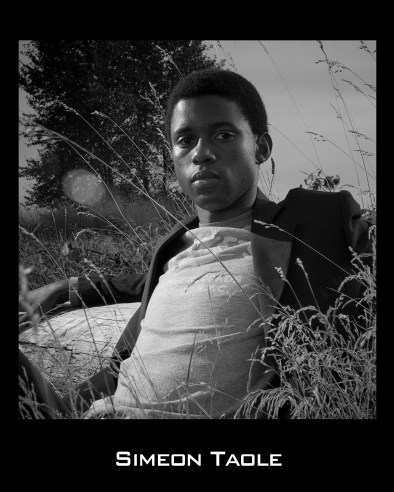
Simeon Taole believes in the power of photographs. As an actor that might seem both a redundant and ironic statement. His performance in the film “Everything Changes” immediately squelches this confusion. The film and Taole’s performance is nothing short of extraordinary. In many ways it exemplifies great storytelling. Humor, intoxicating passion, tears, and a completely unexpected ending (two of them in fact) are all communicated by both the emotional cinematography and the inspired performances of Simeon and his only costar in the film, Virginia Leigh. As the couple experiencing a first date, these two actors generate a chemistry that permeates the air. Through discussions and coy confessions about their lives and interests we are romance-inspired voyeurs who are nourished by their budding romance. As the action progresses we are witness once again to the fact that life is rarely if ever as carefree as we would hope. The repartee, the longing silence, the honesty of the two characters in this film is so convincing that we want to believe that Leigh an Taole are actually a couple. This very modern tale is a photograph of the complications of romance in this world.

It’s not serendipitous that Simeon’s character in the film is so interested in photography. The idea that a photograph displays and is simultaneously withholding in the entirety of information is a central theme to the story. Calvin’s fixation of photography is a metaphor for his desire to discover and understand himself and the world around him, and perhaps to make it a more beautiful place from his vantage point. We almost feel that if he “frames” the moments in his life correctly, he will be able to relax with them. Calvin is a character who is looking for meaning in his life. He has regrets and hopes he can rewrite his future and change things; which he hopes to begin by forging a connection with Naomi. Calvin is motivated by his desire to capture something with her and ultimately bring meaning to his life. Somewhat naively, he feels confident that he can do this. The naiveté of this is not apparent until the end of the film. Calvin is a nostalgic person and photographer who laments the fact that photographs don’t tell stories with real meaning, at least, not like they used to in Life magazine. In the end, he’s presented with a photograph that has significant meaning for them both and changes everything.

Simeon Taole Headshot 02

With deep insight and information of all aspects and characters of this film, Simeon was aware of the story from many points of view and given the time to deeply understand Calvin, which resulted in the compelling and honest performance seen in “Everything Changes.” Taole states, “I had a very detailed history for both characters in the film. It was great to think about what it is that motivates a character at a granular level. I spent time thinking about what it is that’s complicated about him; the dichotomies that exist in all of us. For example, how we can show love and yet also cause pain. How no one is fully good or bad but alternates between the two. Or sometimes, even simultaneously conveys both. I think for me it’s about taking this rich history and applying the level of detailed information to other roles where I wouldn’t necessarily have all that information at the beginning.”

One of the aspects of the film that makes it so gripping and real is the lack of singularity in its approach. Moments of lighthearted playful romance are mixed with tension and even fear. Real life can go from joy to tragedy in an instant and the film does not deny or shy away from this reality. A large reason why this works so well is the measured approach Simeon uses in his performance. He takes great care to not be overly broad with the comedic moments lest the audience not feel the truth of the more dramatic ones. Most of the actor’s work has been in dramas but he notes that this has given him a conservative approach to levity which plays out well in this film.

There’s no denying that a great deal of the heart in “Everything Changes” comes from the intoxicating chemistry between the two (and only) cast members. While it might be expected that a cast so small would make the viewer perhaps long for other characters but Calvin and Naomi (played by Virginia Leigh) go through a myriad of emotional evolutions that it’s impossible to remove one’s focus from them. Taole remarks, “I do feel a cast of only two does create a sense of intimacy in the film that would not necessarily be there with a larger cast. We both had to be fully engaged. Our chemistry was important because we carry the film and this really works for this story. I don’t think it affected the way I prepared for the role but it may have meant we had less downtime during the shoot because we were in every scene.” Leigh concedes, “Simeon and I didn’t really know each other before this film but I found immediate chemistry with him and this showed on screen. We had a warm, funny connection that engaged the audience and led to an ending that was shocking after such a strong build. Our natural bond was a key strength of Simeon who can read actors and find the paths to organic connection off which the audience can feed. Of course, he was the central leader to this film, and his performance was key to the ensuing success. Simeon carries this film in his performance as Calvin. He brings the audience into the over-compensating, overly- confident young man who one cannot help but root for.”

Simeon Taole Frame Still_Everything_Changes 02

“Everything Changes” has been an immense hit of the film festival circuit with screenings at: at 2016 San Francisco Black Film Festival, 2016 Hollywood Glam Gala, 2016 Las Vegas Lift-Off Festival, 2015 Toronto International Shorts Film Festival, the 2016 North York Arts Anniversary and Cultural Hotspot Closing Party, and a win for “Best Short Film” at the 2016 San Diego Black Film Festival. As Calvin, Simeon Taole is a proxy for the audience. He encourages us to dig to find meaning and connection with those around us. What reveals can be both beautiful and shocking, an idea delivered with impact via Simeon’s incredible performance.

Simeon Taole_On_Set_Everything Changes_01

YOUNG ACTRESS JAEDA LEBLANC IS ACTING WITH SOME OF THE BIGGEST NAMES IN HOLLYWOOD

IMG_9841

Jaeda LeBlanc may be the best kind of actor. She delivers powerful performances which are emotionally moving yet young enough that she is completely unaffected when it comes to the incredible fame and notoriety of those she works with. This powerful professional cocktail results in an individual focused on doing her best and disinterested in any vocational or social politics involved. As proof, Jaeda is too young to watch the most popular TV program in the world “Game of Thrones” …that will make more sense as you keep reading. LeBlanc is a young actor in age but her performances certainly belie this fact. She’s appeared in comedy kid shows (Odd Squad), acclaimed medical dramas (Saving Hope), even crime dramas (Real Detective), but in the upcoming The Death and Life of John F. Donovan she is set to receive the kind of notoriety that follows the marquee names she appears with in the film. LeBlanc appears in the film alongside names such as: Kit Harington (GOT’s Jon Snow), Natalie Portman, Kathy Bates, Susan Sarandon, and a host of other accomplished professionals. The core of the film is about fame, how we perceive those who have it and how it affects their lives. While this young Canadian actress has experienced accolades in her home country, “The Death and Life of John F. Donovan” prepares to project her into the arena of international fame. In discussing the film and her involvement, we get a glimpse into Jaeda’s view of fame and how it correlates to the industry and her involvement.Screen Shot 2017-09-18 at 9.19.19 PM

So many iconic names in the field of film give gravitas to this story’s exploration of fame; how it affects those who possess it as well as colors the vision of those who witness it. It appears that everyone in society finds the idea of fame appealing. In a culture which lists “social media influencer” as a valid job title there can be little doubt that the pursuit of fame is air to many in the world. The Death and Life of John F. Donovan challenges perception and reality. A decade after the death of an American TV star, a young actor reminisces on the written communication he shared with him as well as the impact those letters had on both their lives. American movie star (Kit Harington in the lead role) finds his correspondence with an 11-year-old actor exposed, prompting assumptions that begin to destroy his life and career. Jaeda also appears as a young fan of Donovan’s in the film. The main character is encouraged to interact with her by his manager Barbara Haggermaker (played by Kathy Bates) as a means of creating positive press.Screen Shot 2017-09-18 at 9.19.42 PM

It’s doubtless that millions of GOT fans are envious of LeBlanc’s interaction with Harington but the fantasy show’s more adult themes prohibit Jaeda’s parent from allowing her to view it, leaving her to see Kit as more of a coworker and star of the soon to be released film rather than the dashing bastard heir to the throne. The most impressive individual in Jaeda’s assessment was the film’s director Xavier Holland who helped her focus the approach for her role in the film. Holland comments, “When I saw Jaeda’s audition tape I was very impressed by this little girl’s acting ability. I also started acting at a very young age so when I saw Jaeda, she immediately reminded me of myself at an earlier age. Seeing her on the screen, I was immediately drawn to her character because she has that special kind of connection with the camera and the audience. Jaeda has a strong artistic ability. It allows you to see the picture of the character that she is painting, otherwise I don’t think she would be able to display such a strong image of what she wants her character to be. The camera loves Jaeda! She has an amazing stage presence. Like most artists, Jaeda knows how to create emotions but what impressed me the most were the little moments when she was not talking, just before crying; she was just quiet, still, and sad, but yet she was still making us feel something. That is what I love the most in an actor. Jaeda is an extremely talented young artist and I hope she knows that”.

Teen Choice Award

LeBlanc did her due diligence preparing for the role just as she would any other. Holland’s appraisal of her performance is the epitome of the idea of preparation meeting opportunity. The chance to be in such a major film is exciting for the young actress but even more so is the opportunity to watch so many accomplished actors on set and witness their method and approach towards their characters and scenes. Jaeda’s humility is admirable as she concedes that, as a young actress there are many opportunities ahead to learn and she makes a point to be astute and aware as they present themselves. Names like Bates, Portman, and Sarandon are desirable tutors for a young actress such as LeBlanc. With such exciting circumstances, one would expect the young actress’s favorite moment of this project to be one of heartfelt advice from any of these acclaimed veterans of film…yet, Jaeda’s most memorable moment is seen through the eyes of her own mother. Jaeda recalls, “Yes, there are a lot of famous actors in this movie and I was excited to play along with them so I could study their ways of working and see how I could improve my own skills by learning from them. Now, after working with them I realize that I am like them in the sense that I have the same work ethic. So yes, working with big names is definitely a bonus in this choice of career. But…my favorite moment was when I went to get breakfast. I was in the lineup with my mom when she turned she saw a lady behind her. She smiled at her, then she looked back because that person looked so familiar. My mom’s face started to change at that moment as she realized that it was Kathy Bates. She turned to her and nervously said ‘hello’ to Kathy. I had to take over because my mom looked like she was going to pass out. lol. I said hello to Kathy and just let her know that my mom was acting a little weird because she liked her so much. Kathy was very nice about it. When I think about it, I guess I learned two lessons about being an accomplished actor on this film: how to perform well and how to be gracious to fans. This was a very sweet moment that I still remember fondly.”


Scott Michael Wagstaff talks new film ‘Pendulum’

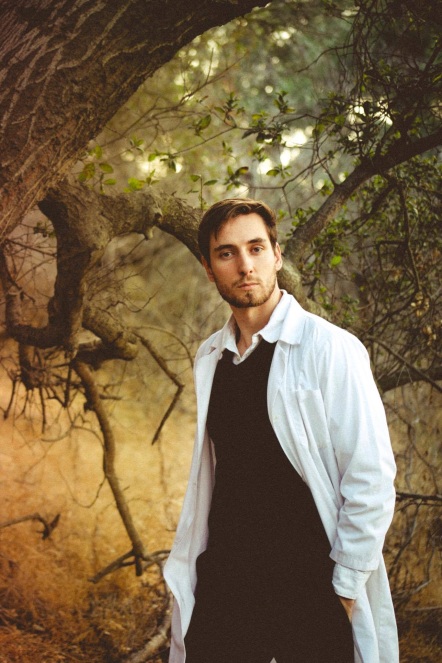
Scott Michael Wagstaff headshot by Kim Hardy 1
Scott Michael Wagstaff, photo by Kim Hardy

Creativity has always been a guiding force in Scott Michael Wagstaff’s life; it is his fuel. From a young age, he channeled that into performing. The buzz he would get from standing on a stage in front of a live audience was addicting. As he grew, performing was no longer about the thrill, but rather living in a place of honesty for himself, and inspiring audiences to do the same. It is this understanding that makes Wagstaff such an extraordinary actor today. He acts not only because he wants to, but because he needs to. There has never been an alternative for him.

Throughout his career, Wagstaff has taken not only his home country of England, but the world by storm. With memorable roles in BBC’s Doctors, 6 Days, The Time of Their Lives, and Final Reflection, audiences can see exactly why Wagstaff is at the top of his field. Recently, his accolades grew yet again, with a nomination for “Best Supporting Actor” at the FilmQuest Film Festival for his role in the new film Pendulum.

“Playing the role of Gwilym was a very fulfilling and a great challenge. The role required me to be a man of few words which is tougher than what it sounds. As an actor, you feel at times the words do the work for you, so when I found I had little to say to honor this role, and furthermore the story, it always seemed challenging. I had to just completely trust that I had everything going on already,” said Wagstaff

Pendulum is a film about two friends who seek spiritual salvation in India in advance of the impending collapse of the cosmos. It is a spiritual science fiction tale with a deep message, telling audiences the importance of being okay with themselves, who they are, and to stop attaching to everything else to distract from who they really are. Wagstaff plays the pivotal role of Gwilym. Gwilym is a very cold man, but has great care and love for his best friend Cerys. The role was entirely improvised, with no script. Wagstaff had to ensure that whatever he improvised would not only keep true to the story, but enhance it.

“What helped is knowing why Gwilym is so cold. He didn’t agree with the hedonistic and disconnected world in London, a result of the end of the world upon them, and had given up on connecting himself, thinking he’s better off alone without joining in the numbing of the end of the world. Once I understood that part of myself that wanted to numb from certain things in life did that then help me embody this character,” Wagstaff described.

In addition to Wagstaff’s nomination, the film is in competition at Encounters Film Festival at the end of the month, making the film BAFTA and Oscar qualified. It is an Official Selection at the Stranger With My Face Festival, NOLA Horror Film Festival, PUNE Film Festival, and of course, the FilmQuest Festival. It has just begun its film festival run, so it will likely be recognized much more around the world. None of this could have been possible without Wagstaff’s understanding of his character and his dedicated and captivating portrayal of Gwilym. He also produced the film.

“Scott is a generous and kind-hearted team member, who really wants the best for each member of the cast and crew and will go to lengths to let people shine. As a performer, he is able to deliver deep and emotionally connected performances in the trickiest of circumstances, always putting vast amounts of work in, and with the confidence to let his talents dazzle,” said Lauren Cooney, the Director, Writer, and Producer of the film. “As an actor Scott has a deep emotional well, on which to draw from, and is able to deliver truthful and complex performances in the moment. As a producer Scott is fully up for taking big risks, and jumping on board adventures. He seeks out collaborators who he is excited by, and is very committed to long-term work in this much-loved industry.”

Cooney initially invited Wagstaff to work on her film, knowing she needed the best actors to make her film a success, especially when it came to Gwilym. He is the catalyst for the lead female role Cerys to see that everything she has been searching for is right there within herself. Even though he comes across cold and disconnected, he breathes a truth into Cerys’ life about him being okay with being alone without him saying anything. He has a love for Cerys that helps her to see that love ultimately between human beings is what matters most – love of self and then love of others. The road trip to India wouldn’t have happened if Gwilym wasn’t there with her, as she wasn’t capable of being physically alone.

“On a deeper level, Gwilym represents people in this world who have great moral beliefs and want change, but don’t speak up until they feel they really do have to. It would be great if these people would speak up from the get go,” said Wagstaff.

Wagstaff had full creative freedom to create such an in-depth character. His instincts were almost always right, and very little was changed without his input. There was a great sense of teamwork on the film, and that is what Wagstaff loved.

“It was the ultimate meaning of collaboration to me and the people in the cast and crew were fantastic. I also loved that I got to travel around India with this film, I see the most radical and powerful sights and even ended up on a train for over three days travelling from one location to another,” he concluded.

Be sure to keep an eye out for Wagstaff in Pendulum.