VFX Producer Julia Kerguelen Nails it Big Time on Madonna’s new “Dark Ballet” Music Video

Julia Kerguelen
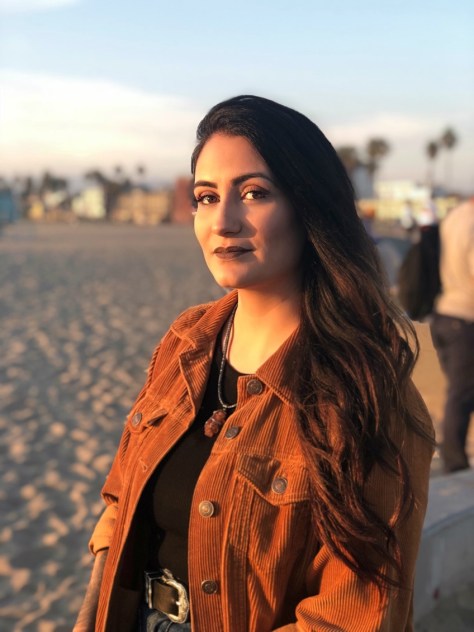
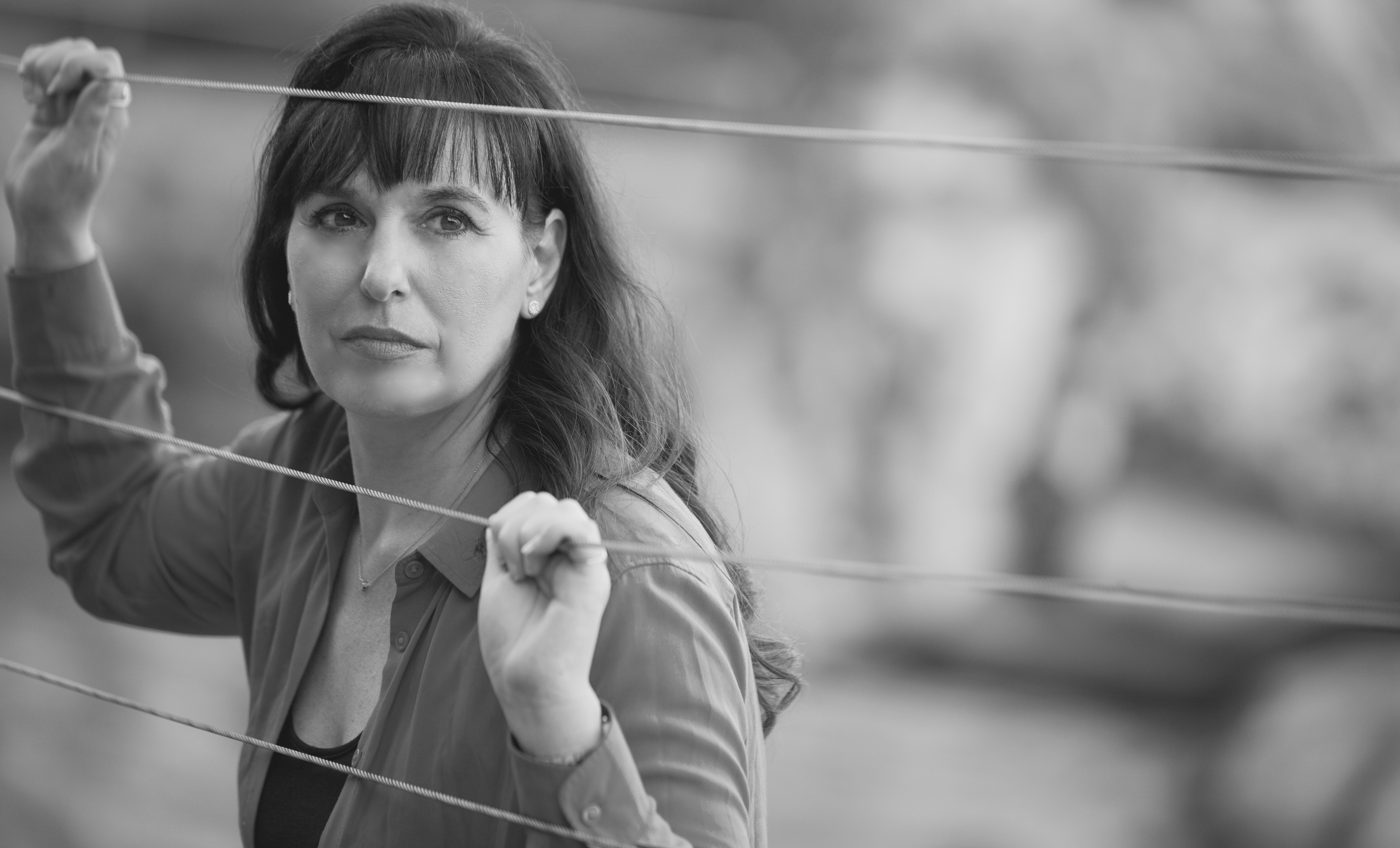
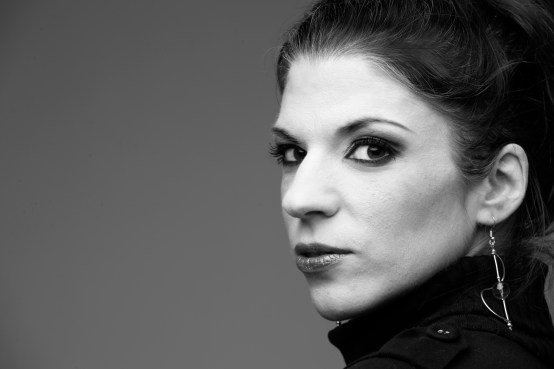
Art Director Julia Kerguelen shot by Lenoir Studio

If you haven’t had a chance to check out Madonna’s new music video for “Dark Ballet,” which dropped on June 6, then you are definitely missing out. The video for the song “Dark Ballet,” a single off her upcoming album, “Madame X,” pulls inspiration from French Catholic saint Joan of Arc, who’s played by African American rapper and activist Mykki Blanco in the video.

Madonna, the fourth best selling music artist in the world, is known for her ability to push the envelope and continually shock viewers with her music videos; and she does not disappoint with “Dark Ballet.” Set in a monastery, the video is symbolic of the cruel persecution of minorities at the hands of the patriarchy, with Mykki, as Joan of Arc, being jailed and burned at the stake. Madonna, who only works with the best in the industry, has a solid reputation for delivering strikingly powerful and highly cinematic music videos, and it was no different for “Dark Ballet.”

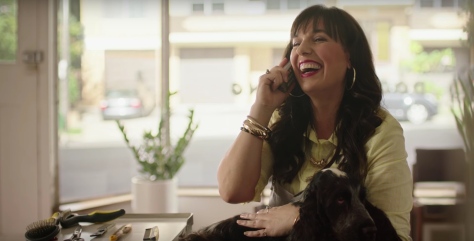
Internationally known art director and post-production supervisor Julia Kerguelen, who hails from France, is one of the key figures behind some of the video’s striking visual effects. Coming on board the music video as the post-producer in charge of VFX production, Julia, who was surrounded by an amazing team of VFX artists, oversaw the creation of many of the video’s key visual effects, such as the smoke, flying particles and flames that envelope Mykki’s body while he’s bound to the stake.

For the video, which already has upwards of 2 million views on YouTube, Julia worked through Mathematic Studio, a Paris-based animation, VFX and motion design studio that is known for other high-profile projects such as the music videos for Snoop Dog’s “So Many Pros” and Brodinski’s “Can’t Help Myself,” as well as projects for Cartier, Nike, Hennessey, Dom Perignon, Peugeot and more.

Julia, who was also the post-production supervisor on upcoming commercials for Armani and Van Cleef & Arpels, brings a pretty impressive skill set to the table so it makes perfect sense that Mathematic Studio chose her as the post-producer in charge of VFX on “Dark Ballet.”

“I think I have a good creative eye and I understand quickly where the creatives and the client want to go. Also I know exactly what we need in order to do something and I can anticipate and give advice on how to avoid tricky situations… I can check every media we receive, I can review what’s wrong in our work, etc. I know how to make tough decisions and work in a fast-paced environment and keep the pressure on myself so my team can work in good conditions and have great artistic results.”

Though Julia has undoubtedly proven herself to be an exemplary leader and skillful creator in her work as a VFX producer and post-production supervisor, she is first and foremost, an art director. Over the years she has been sought out as an art director on a slew of illustrious projects, such as Renault’s 2012 International convention of Renault business owners at the Geneva Car Show, the Airbus Pavillion at the 2015 and 2017 Paris Air Show, Valeo’s immersive exhibition at the 2016 GreenBox eXperience in Berlin, Michelin’s exhibition at the 2010 BIB Worldwide Exhibition, L’oréal’s exhibit at the 2007 International Hair Fair and many more.

Julia Kerguelen
Julia Kerguelen’s designs for Michelin

The connecting theme in much of Julia’s collective body of work is that many of the project she leads as an art director exist in the sphere of events and live shows; and there’s a reason she’s continually tapped for such high pressure projects.

She says “I used to work and prefer events because of the stage and the ‘one shot’ thing. You can’t fail, everything should be perfect ‘cause you don’t have a second chance.”

Julia’s finesse and affinity for art directing massive events stems from her early years on stage. At the age of 14 Julia began performing as a comedian on stage in a small town in the Brittany region of France where she grew up.

She recalls, “It was like a revelation to me! I felt that I had a lot to express, on stage as a dancer and a comedian. When I am on stage I cannot hide myself and I don’t need to… I can share my emotions, my stories, my colours, my way of seeing the world… I guess arts became obvious to me when I started being on stage.”

It didn’t take long before Julia relocated to the metropolitan city of Paris where she continued performing on stage as a comedian, actress and dancer; however, while in search of a more stable career, she discovered her passion for graphic design. Creating a strong foundation and reputation for herself as a graphic designer, Julia quickly moved up the ranks and was soon being called in as an art director.

“I start by analyzing the needs of the client, what is the brand, what they have to say, why they want to communicate this way or not, what are their products and what is the purpose, etc. Then when I have all this information and can see the big picture, I will write a story,” explains Julia. “Something to inject meaning, to give birth to the product as something with a soul and a purpose, to give emotions to the audience. I like to think I’m like a storyteller but with images.”

Considering Julia’s background on stage combined with her unparalleled vision when it comes to branding, she was the perfect art director to lead projects for well-known theatre company, Broadway in Paris, led by director Michael Pereira.

Michael says, “I have had the pleasure of working with Julia on a few things. She is the creator of my brand logo Broadway in Paris™. She and I collaborated on the idea and she made it come to life. I am so happy with the outcome. Later when I was searching for a project manager for my next big project, the French version of Pippin, she was the only person I wanted.”

Julia Kerguelen
Julia Kerguelen’s designs for Broadway in Paris

Knowing her history of top-notch work, Michael hired Julia to serve as the supervisor on set, art director and editor on the promo video for Broadway in Paris’s productions of  “Pippin” which use vaudevillian numbers to tell the story of a man in search of fulfillment.

“As I am very familiar with dance and I know post-production, [Michael Pereira] asked me to help him with the editing,” explains Julia. “I reached out to the cameraman, sent him some examples of framing I imagined for the edit and I tried to supervise the shooting on set to have enough material as dance is complicated to film. As I know some of the choreography it was easier for me to tell him what he should record. After that, I did the transcodes, watched all the footage and did the editing in a very short period of time.”

Julia’s personal history on stage combined with her extensive skill set as an art director, which requires her to have a comprehensive grasp over editing, graphic design, motion graphics, film editing and more, was exactly what Michael needed to create a powerful visual story on film for the company.

Michael says, “What Julia brings is an amazing global idea to this project.  I have never directed live singing and dancing for the camera before and Julia put me at ease and helped me envision angles, cuts and ideas for the camera. Also, her knowledge of movement was priceless to me.  Furthermore, when we went into the editing room her vast knowledge aided us tremendously and the result is a completely wonderful sizzle reel.”

Whether she is working as an art director or in the film and commercial world as VFX producer and post-production supervisor, Julia Kerguelen is a rare creative force who always nails her mark with innovative and seamless designs.

Julia says, “I think that because I am a dreamer I can bring some magic! I mean, there are plenty of artistic directors out there and probably better than I am but I think what makes my vision unique is the ‘vision.’ I am not here just to do some technical stuff or a beautiful image I want to create joy, hope, light, and dreams in the heart and eyes of the audience. I am a multidisciplinary artist and I’ve learned so much about the technical side that I can create everything I want. I am able to find creative solutions even with tight deadlines, short budget and high technical constraints. It’s like a giant playground to me, I know the rules, I just have to enjoy the game and make it count! ”


Alex Stewart composes island themed music for ‘Temptation Island’

As a musician, Alex Stewart knew that performing never intrigued him. Instead, it was the avenues of music that didn’t involve a stage. With a passion for television and the movies, he found himself drawn to the power of a score and its ability to alter the emotions of a scene. He realized at only 16 years old that he wanted to be a part of the aspect of movie magic and has never looked back. He is now a celebrated composer with countless esteemed projects on his decorated resume, and as the masses enjoy his work, he knows this is what he was destined to be doing.

Stewart has made quite a name for himself in his home of Australia and in the United States, composing for hit shows like Paradise Hotel, The Contender, and The Curse of Civil War Gold, and films like Cosmic Fling. He knows how to entertain through his music, and how to tell a story. Composing for reality television requires a unique touch, as it is real people’s lives you are conveying through each note. He executes such a large task with perfection with every project he takes on.

“I believe that a piece of music is only as good as its fundamental idea. If your melody, chord progression, or original idea is bad, then there is no way the piece can be good. I often spend the most time working on just the idea because it’s easy to build the piece if the idea is good. Badly written music can easily ruin a project,” said Stewart.

Music is an essential part of the experience when watching any film or television show, and Stewart knows this well. On Fox’s acclaimed reboot of the reality show Temptation Island, Stewart knew that his score was of the utmost importance to keep audiences engaged.

In this social experiment, four couples at a crossroad in their relationship put their love to the test by giving “single life” a try. On the Hawaiian island of Maui, they’ll take a break from each other while living in separate houses with sexy singles to discover if there is another partner with whom they are more compatible. In the end, will the couples leave together? Will they leave with one of the island’s “tempters”? Or will they break up and go home alone? Whatever the outcome, there is plenty of drama along the way.

“As we watch the events and drama that unfolds, it raises questions that many people might not normally ask themselves about their own relationships, both intimate and not intimate. Some of the people in this show rediscover a love and value in their partner, and others realize that maybe they’re better off taking different paths. It’s important for us to question why we choose to have certain people in our lives so we, as individuals, can thrive and not let others stand in the way of us getting to where we want to be,” said Stewart.

Stewart works with the immensely popular music production company Burnett Music Group on the show, who constantly reach out to the composer for contract work, knowing he is one of the best. Burnett was looking for a modern pop style sound with elements of tropical music that underscored the drama. This presented a fun challenge for Stewart, as these are two styles of music that do not typically go together. Therefore, a lot of the music he wrote for the show is electronic, but with instruments that make one think of the beach, like ukulele, steel pan, bongos, and conch shell. They were also looking for a vast range of emotions, everything from deep sadness, to upbeat dancing music, and Stewart delivered. His music captured the show very well, letting the audience be taken away with the cast to the tropical island through the sound, and also amplifying the emotions in each scene.

“I liked the challenge of combining modern pop with tropical/island sounds in various emotions and energy levels. But outside of that, I really liked working with the other people on the project. Everyone involved was an awesome person and easy to work with. I thought it was a fantastic opportunity to get better at writing quickly. Sometimes I struggle with getting things done fast, so I used this project to practice getting music written and mixed within a day. I always enjoy challenging myself,” he said.

Temptation Island premiered on the USA Network on January 15th, 2019. It was a weekly episodic show that ran for 11 episodes, with extremely high ratings. For Stewart, that success is secondary, as he just likes to make music that audiences enjoy listening to.

“It feels nice to know that I was able to be a part of a show that so many people enjoy. It was a great project to contribute to. Seeing all the ads and hearing people talk about it online has been awesome and I’m certainly happy that most of the reviews and talk around this show has been positive. I look forward to the chance to work on another season,” he concluded.


By John Michaels

Canada’s Michael Shlafman talks importance of music in documentaries

Always a musician, Canada’s Michael Shlafman found himself drawn into the world of composing and orchestrating for film and television because of its limitless possibilities. There are almost no creative boundaries when working in the medium outside of what is dictated by the needs of the project. He can go from working on a score that features a jazz trio one day to a symphony orchestra the next, and that is what excites him; he simply aims to make authentic and sincere music, with endless flexibility and an eagerness and willingness to always be learning and growing.

“I like to think that my style of composing is whatever it needs to be for a given project – after all, that’s what I love so much about working in this medium in the first place. Though I really love to write music that combines traditional acoustic instruments with electronic elements such as recorded and manipulated sound effects, synthesizers, etc. into a hybrid sound that blends sound design with more traditional styles of music,” he said.

Throughout his esteemed career, Shlafman has become an internationally sought-after composer and orchestrator. Millions around the world have heard his work, whether in the multi-million dollar movie Pet Sematary (orchestrator) or the television shows LARPs: The Series (composer) and Best. Worst. Weekend. Ever. (additional music). He has also worked on several acclaimed documentaries, like La Guerra, My Indiana Muse, Botero, and more, knowing just how music can enhance the genre though it needs to be done with a little more care and respect than may be required for a fictional story.

“I think there’s a really interesting distinction to be made between working on documentaries versus working in fiction, especially regarding the music. For starters, documentaries are real. They’re about real people/events, and as such they require a slightly different treatment that is perhaps more careful and respectful. When you’re working on a movie based on a fictional story, of course you still need to be tasteful and respectful, but the characters in the film are never going to watch it. I feel that there’s a lot of pressure to do right by the subjects of a documentary, as there should be. You can’t just throw any music over some painful moment of someone’s life that was caught on camera as though it were a soap opera, it needs to be handled delicately,” said Shlafman.

Music can be a very manipulative tool in documentaries if not used responsibly, and Shlafman always makes sure to do the film’s subject justice when he works. Music changes how an audience reacts emotionally to a piece of film, and for a documentary, where the filmmaker’s job is to present fact and truth as cleanly as possible, music can sometimes be too leading. Shlafman makes sure not to taint the story through the music and does his best to help the director present a perspective as unbiased as possible.

“Music can also really help with the pacing of documentaries. No matter how interesting the subject is, sitting through over an hour of interviews or ‘talking heads’ can get tiresome, and music can help make it feel faster,” he said

David Bertok’s score for Botero, which Shlafman orchestrated,is a perfect example of how a score can set the pace of a documentary. The film is a poetic documentary profile of Colombian artist Fernando Botero and provides a behind-the-scenes chronicle of the life and art of this painter and sculptor – the world’s most recognized living artist.

“I wanted to work on Botero because it’s a very engaging and thrilling story about a world-renowned artist, Fernando Botero. I think it’s important to share these stories so that they’re not forgotten and so that their legacy lives on,” he said.

As an orchestrator on the film, Shlafman played a pivotal role in the post-production process. When a composer creates a mockup on a computer, it is designed to sound as convincing and realistic as possible. The issue then lies in translating that data to a piece of paper that a musician can perform from and achieving a better version of the intended sound through the use of professional musicians with decades of experience. That translation is at the crux of what an orchestrator does, and his role with this project was to help take the data from the mockups and create scores that could be read by the musicians, fulfilling the composer’s vision of the score. In the end, they had a live string orchestra, and with Shlafman’s dedicated work, it turned out beautifully.

These thoughts were echoed by critics, as Botero went on to win several awards at festivals all around the world. Shlafman is proud to have been part of the film, especially one that tells the story of such an iconic artist.

“It’s always a good feeling to know that something you worked on was successful, and even more so when you really believe in the importance of the story. I think it’s important to honor great artists, and this is an excellent way to help preserve Botero’s legacy,” he concluded.


By John Michaels
Photo by Erin Ramirez

Cinematographer Omer Lotan recalls creating award-winning drama ‘Remains’

When Omer Lotan first began pursuing filmmaking, he thought he wanted to be a director. At the time, he was new to the industry and was not aware of the many positions, so directing seemed like the obvious choice. However, he soon discovered a love for cinematography, and he knew that was his destiny.

“I learned to understand that from all the positions on a film set, this would be the most interesting, challenging and rewarding one, since the look and feel of the film is truly in your hands. I found out how much I could learn about original cinematic ideas from working together with a range of talented directors,” he said.

Lotan was right to trust his instincts and pursue cinematography, and he is now at the forefront of his industry in his home country of Israel. Having worked on many acclaimed projects, from the films Thunder From the Sea and Last Round, to the hit music videos “Time to Wake Up” by Hadag Nahash and “Childhood and the Big City” by Ivri Lider, to the viral commercial for Viber, Lotan has shown audiences everywhere that he is a master at his craft on whatever the platform.

One of Lotan’s first taste of international success came back in 2013 with the film Remains, which tells the story of Itamar and Thomas, who share a bed, walls, an apartment and electricity bills. Thomas commands, manages, and criticizes; Itamar is silent and listens. In the face of the couple’s confinement and the abysmal feeling of suffocation, and in the face of the power struggle that permeates their daily conversations, Itamar is forced to take action – an action that briefly allows him to feel things through the body, through the concrete world. The story was influenced by Writer and Director Yotam Ben-David’s personal experiences.

“Power, domination and oppression are in the heart of the story, and I found it very interesting to understand how to translate these topics into a cinematic language. I think the film has elements, which everyone can relate to and be moved by, and since I personally know Yotam well, it was even more interesting for me to take part in his very personal and emotional film,” said Lotan.

When working on Remains, Lotan knew he had to come up with creative ideas and search for original ways to bring his and the director’s vision to life. The director wanted the intimate film to have an epic ambience, which is why they decided to have a lot of wide shots, as well as many camera movements. The camera work and the lighting, with the long wide shots, the dark and contrasted interiors, as well as the quiet urban night shots, enhance the main emotions of the film. Lotan used the architecture of the urban areas and the apartment’s spaces to tell the story and describe the character’s feelings, feelings that create a tension and sometimes might even be uncomfortable to watch.

“Both Yotam and I share similar aesthetic visions, and our previous collaborations led to a deep creative dialogue throughout our work together. He is very clever and original with his cinematic approach, which always encourages me to bring creative ideas to the table as well,” said Lotan.

Remains had an impressive festival run. It was screened and competed at various film festivals in Israel and around the world and won the Best Short Film Award at the Evolution Mallorca International Film Festival, as well as Best Short Narrative Film Prize at the Jerusalem Film Festival, none of which could have been achieved without Lotan behind the camera.

“After screenings of the film I received a lot of positive feedback about the visual impression left by my work. It is always exciting to be complimented for your work, especially when these kind words are coming from a variety of audiences from around the world,” said Lotan.

So, what’s next for Lotan? The upcoming documentary Homeboys is set to premiere next year. He travelled to Uganda to film the musical-documentary that follows Samuel and Isaac, South-Sudanese teenagers deported from Israel who dream about being musicians. Be sure to keep an eye out for it.


By John Michaels

Samuel Lam captures heartbreak and comedy through song in new film

There is no greater feeling in the world for Samuel Lam than to hear his music played by other musicians. As a film composer, this is something he gets to experience on a regular basis, and why he loves what he does so much. Every musician adds their own personality into his music and interprets it differently in their own ways, and he believes that is the true artistry to his role, and every day he gets to work with musicians from all over the world.

Throughout his esteemed career, Lam has shown why he is such a renowned composer and orchestrator in China. With celebrated projects like Crazy Alien, Who Lives My Life?, Delay of Game, and more under his belt, he has continuously shown the world what he is capable of, and he has many more plans to keep doing so. He is currently working on several exciting new projects, including Paramount’s Playing with Fire, starring John Cena, Judy Greer and Keegan-Michael Key.

Lam’s new film My Ex-Girlfriend is a Shovel will be having its official world premiere later this month at the Palm Springs International Shortfest on June 21st, 2019. It is also an Official Selection in numerous film festivals, such as the Montana Film Festival, Calgary International Film Festival, Reel Shorts Film Festival, Creative Artist Agency Moebius 3, and the Bogotá Short Film Festival so far, with many more expected to come later this year.

“I am really glad that this film can reach out to so many audiences. It is a truly unique story, and I hope the audience will not only have a good laugh, but also be moved by the story. That is the real reward,” said Lam.

My Ex-Girlfriend Is a Shovel tells the compelling story of a woman named Coral after her girlfriend of three years breaks up with her. Coral soon realizes that her ex wasn’t actually a person, but was in fact a shovel. Ultimately, Coral must confront her shovel ex- girlfriend to be able to move on.

After Lam read the script, he was immediately interested and touched by it. The heart of the story is very relatable, and the director had his own unique way to tell the story.

“It is a story about a woman who is in love with a shovel, but the more honest answer is this is a film about the way we remember our exes, and the way we objectify the people who we loved and who have hurt us. So even though it is a comedy, it has an emotionally relatable side as well,” said Lam.

My Ex-Girlfriend is a Shovel obviously tells a very unique story, using an extreme and comedic way to portray the hardship of getting over a devastating breakup. The choice of music greatly affected the emotion and meaning conveyed by different scenes.

Dezi Gallegos, the director, had a very clear voice in his mind. Together, Lam and Gallegos spotted the film, which had already been filled with temporary music. They discussed the concept behind the film, and Lam pushed for the music to have a serious tone, even for the comedic parts, and maintain an indie feel within the score. For example, during a comedic montage sequence in the project, which is showing the memories of the main character with her girlfriend “Shovel”, instead of scoring the scene with comedy music, Lam took this scene very seriously, and scored the montage with a beautiful piano solo. As a result, not only do audiences have a good laugh during the screening because of the contrast, but they also have a bittersweet feeling from the momentous scene.

“Nothing makes me happier than writing music for an interesting story. It is a very fun collaboration, and the director gave me a lot of freedom on the music. My favorite part is seeing the reaction of the audience during the screening,” said Lam.

My Ex-Girlfriend is a Shovel perfectly captures what Lam is capable of as a composer, and is a can’t miss.


By Annabelle Lee

Director/Producer Jamly Yang shoots moving commercial for Nike

As an industry leading producer and director, whenever Jamly Yang steps onto a film set, she is a leader. She is in charge of both the artistic and business sides of the production, ensuring everyone works harmoniously to make the best piece of art possible. When directing, she is highly creative, looking at each shot from an artistic standpoint to make the film a success, and when she is producing, she ensures each project she embarks on reaches its maximum potential.

“The responsibility of a producer is not just making sure the production makes a profit, but also to have eyes for stories that can change people’s lives,” said Yang.

These stories are what Yang is known for and are evident in her films The Screenwriter in the Restroom, The Invisible Superman, The Milk Tea, and many more. She also brings that sense of storytelling to her commercials, and with award-winners like the Alpha Browser Commercial, Doritos Campaign, Folgers Coffee, and beyond, she knows how to make an advertisement that not only resonates with consumers, but also entertains.

Yang has worked with many renowned brands throughout her career, including Nike. Yang shot for the iconic sporting wear company back in 2017 for a campaign that went on to win Best Commercial at the San Francisco International New Concept Film Festival 2018.

“This is a trend in the commercial industry, using stories to sell products. It is a trend I both enjoy and believe in, and I love making commercials that move audiences not only to buy something, but also get them to feel something,” said Yang.

The commercial tells the story of three generations of a family. A man gave all the best to his son, and now that the son is a father, he tries to impart some of his own father’s wisdom to his son, and Nike is a part of that. It is a beautiful story.

“Most Nike commercials we see are all about strength and power, but how do you bring more customers who are not entirely about that lifestyle, but who are just normal people who need to exercise every day? You need a touching story. Everyone has a father, everyone runs. Everyone has something from their parents that they cherish. For this Nike commercial, it’s a pair of running shoes that ties to three generations,” said Yang.

The commercial was shot at Land’s End, one of San Francisco’s most iconic spots and a beautiful scenic backdrop for the video. Yang directed, produced, and wrote the commercial, handling the majority of the responsibilities from casting to distribution. She is thrilled to play such a large part in such a successful commercial, especially because she is and has always been a fan of Nike.

“Everyone likes Nike. It’s so iconic to the point where they almost don’t need commercials at all. It is more like a culture than just a sporting wear company, and that’s how Nike differs from other brands,” she concluded.

Check out Yang’s moving Nike commercial here.


By John Michaels

Producer Katy Lopes’ Brilliant, Engrossing ‘Inner Self’

Katy Lopes 1

By Jeff Monroe

Producer Katy Lopes has enjoyed significant professional success thanks to an extraordinary methodology, one that mixes her precisely ordered grasp on big picture logistics with a soulful, artistic need to explore and express the depth and nuance of the oft troubled human condition.

It’s a knock out combination which lends each of her productions a distinctive flair and appeal, and her current project, the engrossing film Inner Self perfectly crystalizes the Brazilian-born Lopes’ remarkable skills. An emotional tour de force, Inner Self is a passion project, one which her entire life has steadily built up to.

I was born and raised in Sao Paulo and grew up in a family with a strong artistic side,” Lopes said. “My mom was a theater actress and my dad worked as a music manager. When I was 11, my mom signed me up to acting school, where I spent seven years doing theater and also helping her manage entertainment events.”

Lopes grew up in the middle of a rich creative milieu, experiencing both sides of that world by acting onstage and organizing details in the back of the house. She quickly realized where her interests lay.

“I figured out that my passion was actually behind the scenes,” she said. “I was always fascinated by the production side.”

Lopes was just 18 but she plunged into professional life with full grown zeal.

“I decided to do my BFA in Radio and Television Broadcast,” she said. “I also started working in the industry, producing for ‘Panico na TV,’ one of Brazil’s most famous comedy TV shows. I had the most amazing and great experience of my life, in terms of professional and personal growth.”

Katy Lopes 2

The ambitious Lopes was balancing studies at Sao Paulo’s distinguished Universidade Anhembi Morumbi with her work on the series—and both proved invaluable.

“The great college I went to made me a better professional” she said. “But the best training I had was working and living the reality at ‘Panico na TV’ which taught me a lot of things about how to be a producer and also how not to be.”

Lopes’ acutely discerning perspective allowed her to gain critical knowledge at an accelerated pace, one which her professional career path easily matched; she relocated to Southern California where she earned a certificate in producing at the prestigious New York Film Academy.

With her degree in hand and based in the film epicenter, Lopes quickly began to establish herself as a force to be reckoned with. She produced a series of arresting short films (‘Blurred,’ ‘Blades,’ ‘Incomplete,’ ‘UnHappy,’ ‘Misfit’s Prick’), handily accomplishing everything from story and script development to budgeting, scheduling, location scouting and securing locations—the always demanding check list of requisite elements at which Lopes’ excels.

All of this led up to her most ambitious project to date, the altogether extraordinary ‘Inner Self,’ a film focused on an unusual and compelling subject—depression.

“Inner Self was an experimental project that inspired me,” Lopes said. “As the producer of this film, I want to depict the naked day-to-day truth of a young girl who suffers from severe depression.”

Lopes’ deftly handled examination of such raw psychological realities shrewdly mixes emotional subtlety and societal insight.

“Today’s social media generation ends up making it very difficult to identify depression as a disease,” she said. “The social mask teenagers wear also masks the problem, because they may show us a happy person with a happy life, but the problem is hidden inside, and they end up in a deep black hole of their inner, unrevealed self.”

Lopes aimed—and succeeded—in raising awareness and aiding the cause of suicide prevention with the engrossing production and the remarkable contributions of her marvelous star player.

“I was blessed to find an amazing and extremely talented young actress, Ester Vasquez,” Lopes said. “She brought so much life and value to this film and, in addition, she wrote a song especially for Sara, her character, who is a young musician that is trying to live her life with the disease.”

The actress was equally impressed with her producer. “Katy is a great producer because she is passionate and persistant,” Vasquez said. “she knows what she wants to achieve, has excellent pre-production organization She and smpathizes with her crew. By istening and treating everyone with respect, she makes us give the best of ourselves. Katy allowed me to freely explore my character while the camera was rolling—she let me improvise a song in the middle of the shoot! She truly values the people she’s working with.”

Lopes with Ester Vasquez

Lopes with Ester Vasquez

‘Inner Self’ is currently making the rounds of the festival circuit and has just been recognized as a semi- finalist at the prestigious Los Angeles Cine Fest.

“It’s been well received and people are very touched by the movie,” Lopes said. “After all, 99% of the population have someone close who suffers from depression or suicidal thoughts. As a producer and filmmaker, I feel completely responsible to try to influence this generation for the better.”

‘Inner Self’ epitomizes Lopes’ signature combination of prescient professionalism and socially conscious creativity, defining attributes with which she will continue to deliver even more significant creative contributions.

Amanda Mitchell: Owning the Screen with Magical Presence

Karen Mitchell
Actress Amanda Mitchell shot by Chris Jon Photography

It’s not every day that an actress with the scope of talent Amanda Mitchell has comes along. The Australian actress is not only skilled on screen, she has the magic that draws viewers in, bringing her character to life, no matter who it is she’s playing; like the recent role as Linda in the soon to be released romantic drama “If I Were You.” Other upcoming parts she’s championed are Alexa in “Just One More Day,” Tina in “The Margin of Things”.  She can just as easily turn around and seemingly effortlessly play detective roles in projects such as the three-part series “Ice Cold Blood,” and the award-winning television series “Starship One.” She not only skillfully plays the character, she truly is the character.

Perhaps it is the former years she spent as a classic ballet dancer that gives her the ability to glide into any character she graces on screen. Or, perhaps it’s her vast experience and portfolio of masterpiece performances that gives her that special touch.

Throughout her career, Amanda Mitchell has built quite a portfolio, bringing to life character after character in a long list of award-winning films, well-known television shows, and nationally-aired commercials. She’s especially drawn to the investigator crime drama roles, beginning with her debut as Twila Busby on “Facing Evil,” a Discovery channel hit.  Her success in the show gave way to many others in the same and similar genres, like playing Catherine in the thriller “Nameless: Blood and Chains,” Tracy in “Deadly Women,” and the unforgettable Carmen on the crime drama series “Behind Mansion Walls.”

Karen Mitchell
Amanda Mitchell shot by Sagar Beleka

Amanda could have easily become comfortable in her convincing crime drama roles; but, she’s not one to be pigeonholed into playing one type of character. The substance she’s made of radiates way further than that. She excels in stretching herself, playing both good characters and not-so-good ones, which is even more evidence of her elevated skill and talent, a trait that has earned her fans from around the world.

The ability Amanda has to take command of any role she plays, captivating her character’s every action and emotion, is unfounded. Over the years she’s expanded her repertoire to include a number of comedic roles in projects such as the hit television series “It’s a Dole Life,” the AACTA award winning television series “Black Comedy,” the two-part Australian satirical AACTA award winning television series  “Double the Fist,” the Australian television comedy series “Legally Brown,” the American adult Netflix sitcom “DisEnchanted” and the action comedy movie “The Tail Job.”  Not many could pull such a feat off but she did, and royally so. In addition, she nailed her performance as Sally in the thriller “Fearless Game” and was a stellar Angela in the family drama “About a Husband.” “The Hand that Feeds” would not have been the same without her in character as Mum and she rocked the role as Deedee Banks in “Torn Devotion” as well.

Amanda is at her best when it comes to playing controversial characters that are immoral and conniving like her unforgettable role as Tracy Grissom in “Deadly Women.” She can go from being the lead protagonist to the despised antagonist in a heartbeat. She just has that magical ability to pull any character out of her hat. She can easily master an intense criminal investigator and whip right around and bring those criminal characters we love-to-hate to life. Those are the very attributes that are at the helm of her magnificent journey on screen.  

Amanda is not only a highly talented actress and an exquisite dancer, she’s also a voice actor, model and presenter– we’d expect nothing less from the multi-faceted, multi-talented star who is one of those rare individuals that just seems to have it all.

Karen Mitchell
Amanda Mitchell plays the lead in a National Commercial for The Commonwealth Bank

Her talents have caught the eyes of the corporate world, who practically stand in line to offer her roles in promoting their wares and services. Commonwealth Bank, Colosyl, Shark Sonic Duo, Thin Lizzy make-up, Coles, Marasilk and Biophysics are just a few of the big names that have sewn her talents up to represent them in commercials.  

Even her voice sets Amanda apart. She has been the vocals behind a number of pieces. At present, she is the notorious voice of the children’s entertainment company, Party Pirates.  

Amanda’s accomplishments don’t stop there either.  She was a finalist in the Miss Australia beauty pageant.  She’s a Screenwise Film and Television graduate and proud member of the Actors Equity and SAG-AFTRA.  Her passion for acting was realized at the tender age of three years old.

It is clear to see that Amanda enjoys each and every part she plays. Her passion for what she does is contagious, radiating from the set to the emotions of the audience, whether it be a lovable, despicable, intelligent, or funny part– she sinks into the characters and makes them her own, and it is hard to tell where they end and she begins. Yes, she’s that good!

Producer and Director Yuanhao Du dives into mother/son relationships in new film

Filmmaking, for Yuanhao Du, is magic; it is the ability to turn the impossible, possible. As an industry leading producer and director, Du is an extraordinary magician. His ability to take words on a page and turn them into a beautiful cinematic production is unparalleled, and as his name continues to become more and more recognized around the world, his passion for what he does only intensifies.

Throughout his esteemed career, this Chinese native has continuously impressed international audiences with his work. Award-winning films like Patrick, On the Other Side, Off to Care, and more encapsulate what a talent Du is, often working as both producer and director for a single project, taking on a vast amount of responsibility to ensure each and every film he works on is a roaring success.

Du’s acclaimed hit A Mother’s Love is just another example of what this filmmaker is capable of. The film is about a young man and his control freak mother after she discovers the son’s one-night stand died on his bed. Together, they have to find a way to fix this catastrophic problem. The story dives into deep-rooted themes like responsibility and, of course, a mother’s love.

“I guess some people have those types of moms who always try to help you do everything and make all decisions for you. We love that but we also don’t like it. We enjoy doing things without taking any responsibilities, but at the same time, we also hate to be controlled by other people. If you want to control your own life, you have to take responsibility for yourself. We can’t run away from that, no matter what,” said Du. “All parents love their children. They would do anything to protect their kids from anything. However, if parents do that too often, it will cause their kids to become either spoiled or weak. Both of these things are not good for them when they grow up. So, parents accept the truth that eventually kids will have to take responsibility for themselves. This film explores that notion.”

Once Du found the script, he took the time to find the perfect team. He had already done the extensive preparations necessary to turn the script into a film, planning the shot list, storyboard, and researching the themes in other films and literature. Once he had that completed, finding his crew was seamless, as he knew just what to ask of each and every individual.

“I enjoyed the tension that we created. We challenged ourselves and pushed ourselves to be better filmmakers. I love creating a story and being part of story development, but this time I just got a final draft script. It’s quite interesting because as director I need to respect the script and also put my ideas, my point of view into it as that helps make a good movie,” he said.

A Mother’s Love premiered last year, and has recently started making its way to several renowned film festivals. It was an Official Selection at both the Jersey City Popup Film Festival and The Brightside Film Festival 2019, a Finalist at the ONIROS Film Awards and a Semi-Finalist at the Utah Film Festival. Although Du led the team, he remains humble in the wake of the film’s continued success.

“The biggest success is that everyone in my team knows each other well and that is the cornerstone of the whole production. Those experiments when preparing and shooting this project became a valuable resource for me when making even bigger projects in the future. At the same time, this project tested my limitations. It’s a good example to measure my directing and producing abilities,” he said.

A Mother’s Love shows the commitment and talent Du brings to every project he takes on, two fundamental aspects of filmmaking. He directs and produces because he loves it, and he knows that is the key to his success.

“If you just want to be famous, don’t become a filmmaker. There are many things you’ll need to do, and you always need to be ready for the coming challenge. Directing is not just a job, but also a big part of your life. You need to learn how to get those inspirations from your daily life and be ready for suffering when you don’t have inspirations. Your inspirations will come from your life, just be patient and pay attention to the little things. Learn everything you can about film, and always be a student to learn from every filmmaker you work with. Don`t be afraid to ask questions. Filmmaking is teamwork. Nobody really works for you; they work with you. Be nice to everyone, but also be strong as a leader,” he advised.


By John Michaels

Lucia Wang’s Free Ride

Free Ride

Audiences love a well-written story with twisting plots. These films are the result of layers upon layers of professionals both in front of and behind the camera. The path from the set to the silver screen is as complex as the actions and motives on screen. One of the professionals who gains the first glimpse to what “will be” is the on-set editor. Ziyang “Lucia” Wang was both editor and the on-set editor for the recently released comedy/crime film Free Ride. The fast pace of the film and its frequent use of VFX kept Wang on the edge of her seat in a manner similar to fans of this film. Even though it has barely had time to appear, Free Ride has already received awards from the Los Angeles Film Festival (Best Indie Short), the CineCina Film Festival, and the Transparent Film Festival (Best Comedy). Though not yet in wide release, Lucia offers an inside peek to the process of making this acclaimed film.

Free Ride is the type of film in which leaves you constantly guessing about who is the real danger. While transporting three dangerous mental patients to another state, the van driver loses one of them. During his search, he encounters a thief who is eluding the authorities. When the criminal offers the driver a cut off his loot, the actions and intentions of all involved parties becomes convoluted and suspect. Hot pursuit, questionable allegiances, and the X-factor of mental patients culminates in both nervous anticipation and hilarity.

One of the most enjoyable aspects of the story is its constantly twisting and uncertain direction, by design. “What’s going to happen next?” is the sign of good writing and good execution in a film. This requires an incredible amount of planning and Ziyang was a part of this from the earliest of preproduction meetings. From storyboard layout to final presentation, her editing expertise was a major benefit for director Yi Qu in achieving her vision for this film. The tone of the story could be described as a sarcastic black comedy influenced by No Country for Old Men and Hell or High Water. There’s a palpable undertone which alludes to the human condition of always wanting more contributing to one’s downfall. Ziyang relates, “Free Ride is not only a tense movie but has a lot of craziness and cynical perspective to it. As a road film, it contains a lot of location changes that we needed to cover in a short amount of time. Our director was very worried about this during the pre-production but I showed her some short clips to convince her that in the world of editing, we don’t have to show every line, every sentence, and every second; jump shots work perfectly, especially in a comedic piece.” This approach is perfectly displayed when the criminal first jumps into the van. Lines of dialogue overlap and the back & forth editing perfectly complements this frantic moment. The silence that follows delivered by the punchline of the driver asking the robber to buckle his seat belt is even more gratifying because of this. Yi Qu’s confidence in Wang’s editing was so great that she even conducted a reshoot based on the editor’s input. Ziyang states, “In the original version of there is a scene in which the driver decides to strike the criminal with a taser. I felt there was a lack of drama for this peak moment in the story. I asked for a separate insert shot of the taser hidden under the driver’s seat as a POV shot. I cut it in this way: the driver hops off the van, looks down, and cut to the taser to highlight it as an important prop. Then I cut back to the driver looking up with this taser already in his hand…and now the audience knows what he’s going to do. Subtle tweaks like this are important and this shot totally increased the tension.”

In a variety of ways, Ziyang Wang proves that she’s not there simply to cut what others imagine but to reimagine ways of helping their vision be achieved. She’s not clairvoyant, she’s an editor. As a professional who is focused on making the work of others looking better, Ziyang is creating a reputation that will see much more work heading her way.


International Entertainment, and the Talents that Leave us Buzzing….